
The Step-by-Step Guide to Virtual Staging for Farm and Ranch Auction Marketing Firms
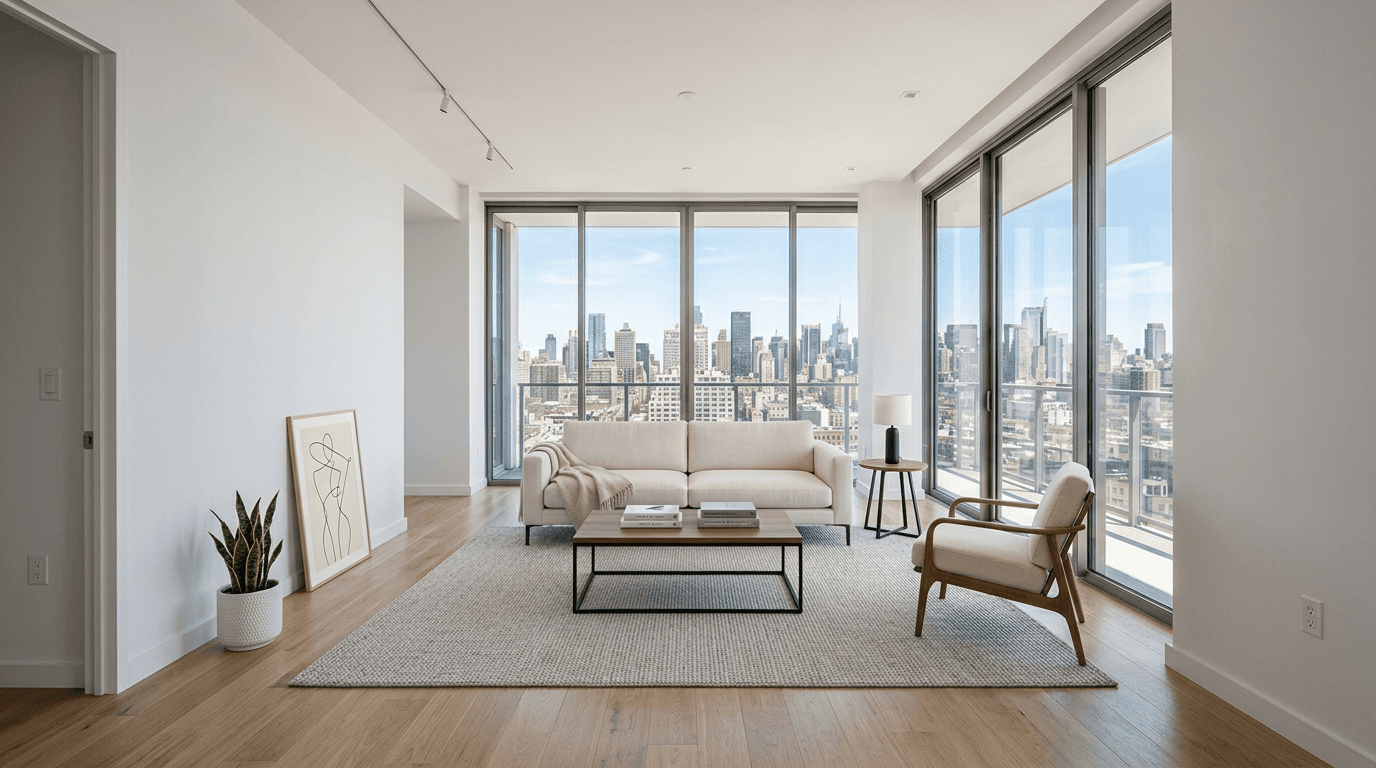
Virtual staging has become one of the most effective marketing tools available to farm and ranch auction firms because it solves three persistent problems at once: inconsistent property presentation, compressed campaign timelines, and the challenge of helping bidders emotionally connect with large rural residences before a timed event begins. In the auction environment, you do not have the luxury of a slow listing cycle or repeated rounds of physical staging adjustments. You need polished, persuasive imagery that can be deployed quickly across landing pages, bidder packets, email campaigns, social media ads, and auction platforms, while still accurately reflecting the character of agricultural estates, ranch houses, hunting lodges, and multi-structure rural compounds. When executed strategically, virtual staging does far more than make empty rooms look furnished. It clarifies scale, defines use cases, elevates perceived value, and helps buyers imagine a lifestyle worthy of premium bidding. For auction companies and land brokerages competing for attention in 2026, the firms that win are the ones that present rural homes with the same sophistication used to market luxury residential assets, while preserving authenticity, acreage context, and buyer trust.
According to recent staging metrics by the National Association of Realtors (NAR), professionally staged properties can significantly increase sales speed and perceived value, accelerating the impact for your specific niche.
Step 1: Audit the property’s auction story before any virtual staging begins
The most successful virtual staging campaigns for farm and ranch auction marketing firms begin long before a designer adds furniture to a room. They start with a deliberate audit of the property’s auction story, because rural residential assets are rarely sold on interiors alone. A ranch headquarters home may be tied to equestrian facilities, cattle infrastructure, trophy hunting appeal, recreation value, family retreat positioning, or legacy estate branding. A hunting lodge may need to attract both investor-minded buyers and lifestyle buyers who care deeply about gathering spaces, mudroom utility, bunk capacity, and after-hunt entertaining. If your firm stages images without first identifying the property’s highest and best buyer narrative, you risk creating visuals that are attractive but strategically disconnected from what drives bids. Begin by reviewing the auction timeline, property type, target buyer segments, likely geographic draw, and the emotional trigger points most likely to move a prospect from curiosity to registration. Evaluate every residence, lodge, guest home, and gathering structure to determine which spaces carry the strongest influence in the digital decision-making process. In many rural auctions, the kitchen, great room, primary suite, bunk room, trophy room, porch, and office have outsized marketing value because they help bidders imagine ownership, hospitality, and operational convenience. Just as important, identify visual liabilities early, such as oversized vacant rooms, outdated furnishings, owner-occupied clutter, poor lighting, mixed-use rooms, or spaces that feel too regional, too personal, or too unfinished for a broad buyer audience. This audit gives your staging team a clear mandate: not simply to beautify interiors, but to reinforce the auction’s strategic positioning and showcase each room in a way that supports urgency, emotional engagement, and price justification.
Action Step
Create a room-by-room auction storytelling brief that identifies target buyers, key emotional selling points, and the top interior spaces that most influence bidder confidence.
Step 2: Capture the right photography and source files for credible rural virtual staging
Virtual staging quality is determined as much by input quality as by design talent, which is why farm and ranch auction firms must treat photography as a conversion asset rather than a routine listing task. Rural properties often present technical challenges that suburban residential photographers do not always manage well: expansive rooms with uneven natural light, wood-heavy interiors that can photograph too dark, windows that blow out to white, trophy displays that distract from scale, and owner-occupied spaces that cannot be fully cleared before launch. Because auction campaigns move quickly, there is a temptation to work with whatever images are available, but weak source photography almost always produces weak staged outputs, and weak outputs undermine trust at precisely the moment buyers are deciding whether the home component supports a premium bid. Your team should coordinate a shoot plan focused on clean angles, level vertical lines, balanced exposure, and compositions that reveal purpose, scale, and flow. Prioritize high-impact spaces first, but also capture alternative angles so your staging partner can solve around layout quirks or furniture removal constraints. In occupied homes, photograph after aggressive decluttering and selective depersonalization, even if full clearing is not possible. In vacant homes, ensure images are wide enough to communicate proportions, but not so distorted that staged furnishings feel unrealistic. You should also deliver context notes with the files, explaining whether the property should read as refined ranch luxury, upscale lodge retreat, family estate, executive country residence, or practical headquarters home. This prevents generic urban staging choices that look disconnected from the land itself. The goal is not perfection for perfection’s sake; it is visual credibility. Auction buyers are highly sensitive to any sign that marketing has exaggerated reality, so every image must preserve architectural truth while making the home easier to understand, more aspirational to browse, and more persuasive across digital channels.
Action Step
Schedule a dedicated pre-auction photo session with a staging-focused shot list, decluttering plan, and written design direction for each featured room.
Step 3: Design staged interiors that match the property type, buyer psychology, and bid-driving lifestyle
Once you have strong photography and a clear auction narrative, the next step is to build staged interiors that feel native to the property rather than imported from a generic luxury condo playbook. This is where many campaigns fall short. Farm and ranch buyers are often drawn to authenticity, utility, comfort, and legacy appeal, yet they also expect a level of finish and sophistication that validates the asking position and encourages aggressive bidding. Effective virtual staging must bridge those expectations. For a ranch house, that may mean warm but edited furnishings, substantial textures, understated Western influence, and layouts that emphasize family gathering, owner hospitality, and practical elegance. For a hunting lodge, staged scenes should suggest camaraderie, retreat value, and premium leisure without becoming overly themed or cluttered with clichés. For an agricultural estate or rural compound, the design should communicate scale, flexibility, and an elevated lifestyle that can support multigenerational living, guest hosting, executive entertaining, or seasonal use. The key principle is that each room should answer an unspoken buyer question. A vacant great room should show how conversations happen there. An ambiguous loft should become an office, media lounge, or bunk retreat depending on the target audience. A large primary bedroom should feel restorative and properly scaled, not cavernous. A dining space should signal celebratory dinners after a successful hunt, family holiday gatherings, or stewardship meetings tied to the property’s business and recreational use. Keep the palette regionally appropriate and architecturally consistent, but avoid heavy personalization, overtly rustic excess, or design choices that alienate out-of-state or investor-oriented buyers. In auction marketing, staged imagery works best when it turns uncertainty into clarity. The more clearly a buyer understands how the residence supports the broader land asset and the lifestyle attached to it, the easier it becomes for them to rationalize a stronger bid.
Action Step
Approve a design direction for each key room that reflects the property’s true character, target buyer profile, and the lifestyle narrative most likely to increase bidding intensity.
Step 4: Integrate virtual staging into a fast-moving, multi-channel auction marketing campaign
Virtual staging only delivers full value when it is deployed as part of an integrated auction marketing system rather than treated as a decorative afterthought. In the farm and ranch auction space, your campaign has a short runway and multiple pressure points: launch visibility, bidder education, emotional engagement, and confidence-building as the timed event approaches. That means staged imagery should be mapped intentionally across every buyer touchpoint. Start with the primary listing page or auction landing page, where staged hero images can immediately elevate first impression quality and prevent the residence from feeling secondary to the acreage. Then use staged room images in email sequences to spotlight specific ownership benefits, such as family retreat appeal, executive entertaining capacity, lodge-style recreation, or move-in-ready residential comfort. Social advertising should leverage your most emotionally resonant staged scenes, particularly those that help urban, out-of-region, or lifestyle-oriented buyers imagine themselves on the property. Broker outreach packets, downloadable due diligence materials, auction brochures, and retargeting campaigns can all use staged visuals to reinforce quality and coherence. Just as important, pair staged imagery with corresponding unstaged or plainly disclosed original images when appropriate, especially in image galleries or property packets, so buyers see that the staging is a visualization tool rather than an attempt to conceal condition. Transparency is essential in auction marketing because bidders make fast judgments about credibility, and any perception of manipulation can suppress engagement. Internally, your team should also align copywriters, media buyers, and auction managers around the same visual story so the language in ads, captions, and registration prompts amplifies what the staged imagery already communicates. A staged kitchen should be accompanied by copy about hosting and gathering. A staged office should support messaging around ranch management, remote leadership, or seasonal residency. The campaign becomes more effective when every asset echoes the same strategic narrative. In 2026, firms that outperform are not simply using virtual staging; they are operationalizing it as a conversion tool at each stage of bidder acquisition and decision-making.
Action Step
Build a channel-by-channel staging deployment plan so your best rendered images are used consistently across the auction page, emails, ads, brochures, and bidder follow-up.
Step 5: Protect credibility, measure performance, and refine your process for future auctions
The final step is to treat virtual staging as a repeatable performance system governed by credibility standards, measurable outcomes, and post-auction refinement. For farm and ranch auction marketing firms, reputation is one of the most valuable assets you own. A single campaign that overpromises through unrealistic imagery can damage buyer trust and seller confidence, especially in rural markets where referrals and repeat participation matter. Establish clear policies that every virtually staged image must be based on the actual room dimensions, preserve permanent architectural features, and be labeled appropriately wherever disclosure is expected. Your goal is to inspire, not mislead. Beyond compliance and ethics, you should measure whether staged images are actually improving auction performance. Track listing page engagement, time on page for residential galleries, email click-through rates tied to staged visuals, social ad response, registration trends, inquiry quality, showing requests, and bidder sentiment during pre-auction conversations. Compare campaigns with and without staging, and evaluate which room types generate the strongest lift. You may find, for example, that staging the great room and kitchen delivers more value than staging every bedroom, or that a home office rendering materially increases interest among absentee landowners and executive buyers. After each auction, debrief your internal team, photographers, staging vendors, and lead agents to determine what worked and where friction occurred. Did approvals take too long? Were design choices too generic? Did seller expectations need better management? Did certain visuals create stronger urgency in the final registration window? By documenting these findings, your firm can create a staging playbook tailored to rural auction assets, reducing turnaround time and increasing consistency with every future campaign. Over time, this transforms virtual staging from a one-off marketing enhancement into a strategic advantage that helps your company win listings, elevate presentation quality, and support stronger bidding outcomes across high-value rural properties.
Action Step
Implement a disclosure and analytics framework for every staged campaign, then review results after the auction to build a repeatable internal virtual staging playbook.
Explore More Resources
Conclusion
For farm and ranch auction marketing firms, virtual staging is no longer a cosmetic upgrade; it is a strategic method for turning rural residential spaces into persuasive bidding assets under tight deadlines. When you begin with the right auction story, capture high-quality source photography, stage each room to fit the property’s authentic lifestyle appeal, distribute the visuals across every major marketing channel, and measure performance with transparency, you create a presentation system that elevates buyer confidence instead of merely decorating empty rooms. In a competitive 2026 market, this approach helps agricultural estates, ranch houses, hunting lodges, and rural compounds feel more understandable, more aspirational, and more valuable to serious bidders. The firms that execute virtual staging with discipline and credibility will not only produce stronger campaigns, but also strengthen seller trust, attract broader buyer pools, and position themselves to command premium attention at auction.
Ready to Stage Your First Room?
Join thousands of top real estate professionals who use AI Virtual Staging to instantly transform vacant photos into fully-furnished masterpieces in under 20 seconds.
Start Staging For FreeFrequently Asked Questions
Is virtual staging appropriate for high-value farm and ranch auction properties, or does it feel too artificial?
Yes, it is highly appropriate when used correctly. For rural auction properties, virtual staging is most effective when it clarifies room scale, intended use, and lifestyle potential without altering the home’s actual structure or condition. Buyers of ranch houses, hunting lodges, and agricultural estates often struggle to interpret vacant or inconsistently furnished rooms online. Properly executed staging makes those spaces easier to understand while preserving authenticity. The key is using regionally appropriate design, realistic proportions, and clear disclosure so the imagery inspires confidence rather than skepticism.
Which rooms should auction firms prioritize for virtual staging first?
The best rooms to prioritize are the ones that most influence emotional connection and perceived value. In most farm and ranch residential assets, that means the great room, kitchen, dining area, primary bedroom, office, bunk room, and sometimes porches or gathering spaces with strong lifestyle implications. Rather than staging every room automatically, focus on the spaces that help buyers visualize hosting, family use, retreat value, or operational convenience. Prioritization should follow the property’s buyer profile and the narrative driving the auction campaign.
How quickly can virtual staging be completed before an auction launch?
Turnaround times vary by vendor and scope, but many firms can complete a set of staged images within a few business days once quality source photography is delivered. The real determinant is preparation. If your team has already decluttered the home, captured strong photos, selected target rooms, and provided a clear design brief, the process can move very quickly. Delays usually happen because of poor source images, unclear approvals, or last-minute changes in positioning. For auction marketing, it is wise to build staging into the campaign calendar early so there is time for review and deployment across all channels.
Should virtually staged images be disclosed in auction marketing materials?
Absolutely. Disclosure protects buyer trust and strengthens your firm’s credibility. While disclosure practices may vary by platform or jurisdiction, best practice is to clearly indicate when an image has been virtually staged, especially in listings, brochures, or digital galleries where buyers could otherwise assume the furnishings are physically present. Transparent disclosure does not weaken the marketing impact. In fact, it often increases confidence because buyers can appreciate the visualization while understanding that the image is intended to demonstrate potential rather than conceal reality.
Can virtual staging actually help increase bidding activity in timed auctions?
It can, particularly when the residence plays an important role in the property’s total appeal. Virtual staging improves first impressions, helps buyers understand awkward or vacant spaces, and creates stronger emotional engagement across digital channels where most auction prospects first encounter the property. That stronger engagement can lead to better click-through rates, more inquiries, more registrations, and higher confidence in the overall value of the asset. While staging alone does not guarantee higher bids, it often supports the broader marketing objective of making the property feel more complete, more premium, and more worth competing for.
Explore More Guides
Continue building your real estate expertise.
The Step-by-Step Guide to Virtual Staging for Suburban Single-Story Cottage Cluster Developers
An authoritative 2026 step-by-step guide for suburban single-story cottage cluster developers on using virtual staging to market pocket neighborhoods, make compact homes feel spacious, and position low-maintenance living as premium rather than entry-level.
The Step-by-Step Guide to Virtual Staging for Attainable Luxury Townhome Lease-Up Teams
An authoritative 2026 step-by-step guide for attainable luxury townhome lease-up teams on using virtual staging to showcase premium finishes, family-friendly layouts, and differentiated rental positioning without physical model homes.