
The Step-by-Step Guide to Virtual Staging for Resident Retention Marketing for Multifamily Operators
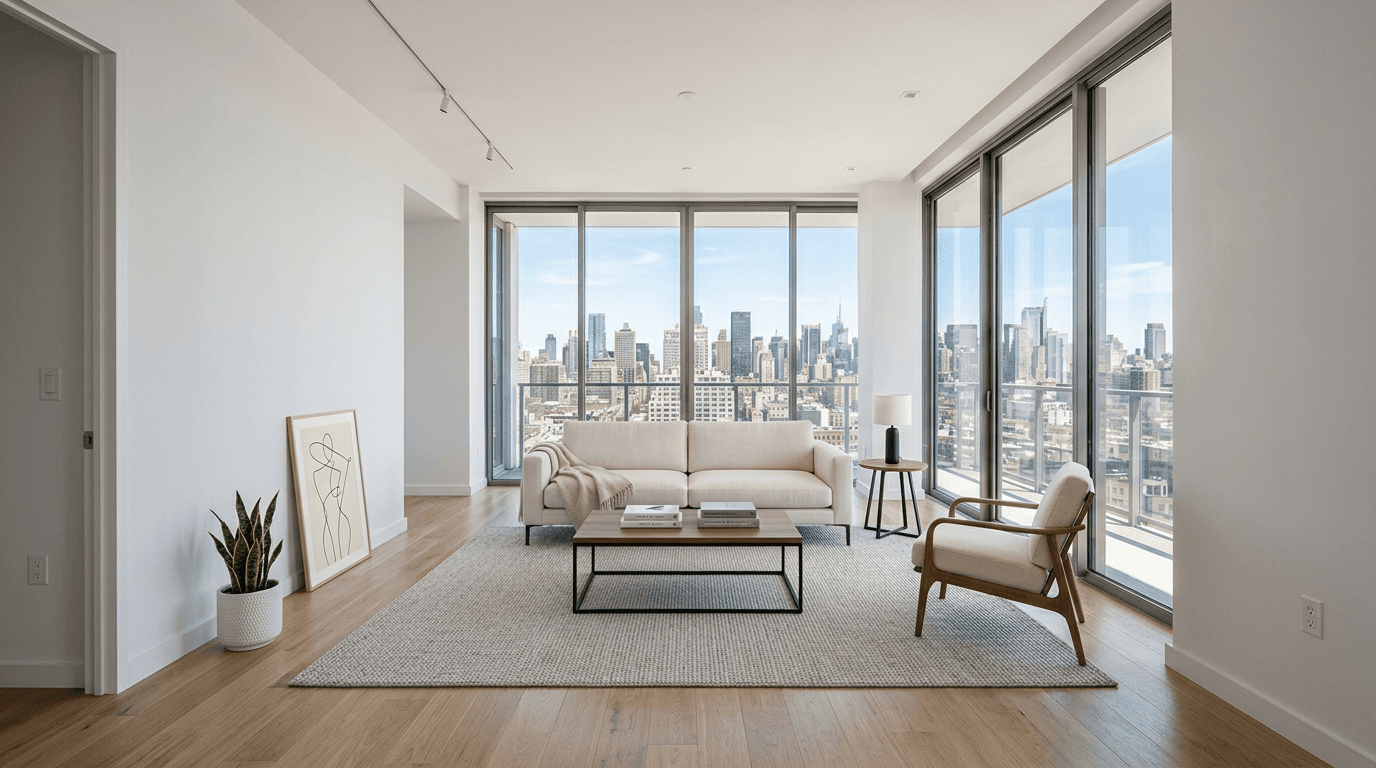
Virtual staging is no longer just a leasing tool for vacant units; in 2026, it is one of the most underused retention assets available to multifamily operators trying to defend occupancy, protect NOI, and persuade existing residents to stay, transfer, or upgrade. In-house marketing and asset teams often spend heavily to attract new prospects while overlooking the decisive visual moments that shape renewal decisions among current residents. When a resident is evaluating whether to accept a rent increase, move to a renovated floor plan, or remain on-site after an amenity repositioning, generic photos, unfinished renovation imagery, and text-heavy notices rarely create enough emotional conviction to overcome hesitation. Virtual staging solves that gap by translating improvements into a lifestyle outcome residents can immediately understand, whether that means a modernized kitchen worth the premium, a work-from-home nook that supports their routine, or a refreshed clubroom that makes staying feel smarter than moving. The operators that use virtual staging strategically in retention marketing are able to frame upgrades as relevant, tangible, and resident-centric, which strengthens renewal conversations, improves transfer conversion, and helps justify higher rents with clearer perceived value. This guide breaks down exactly how multifamily teams can apply virtual staging step by step to make retention marketing more persuasive, measurable, and operationally aligned.
According to recent staging metrics by the National Association of Realtors (NAR), professionally staged properties can significantly increase sales speed and perceived value, accelerating the impact for your specific niche.
Step 1: Define the resident decision moments where virtual staging can directly influence retention
The most effective retention-focused virtual staging strategy begins with precision about when and why existing residents are reconsidering their housing decision, because virtual staging only performs well when it is tied to a real decision point rather than used as decorative content. For multifamily operators, the highest-value moments typically include renewal notices tied to rent increases, outreach to residents in classic units who may transfer into renovated inventory, campaigns promoting newly upgraded amenities, and communications to households whose space needs or lifestyle patterns have changed. Instead of treating all residents as a single audience, in-house marketing and asset teams should map specific resident segments to specific friction points. A long-term resident in an unrenovated unit may need to see how an upgraded layout improves daily comfort and status in order to consider an internal transfer. A resident facing a premium on renewal may need visual proof that renovated finishes, package rooms, coworking spaces, or fitness enhancements create enough incremental value to stay. Another resident may simply need to imagine how a smaller or larger floor plan could work for a new household configuration. Virtual staging becomes powerful when it is built around these moments of hesitation and framed as a practical answer to a resident’s question: what am I getting if I stay here instead of leaving? By defining those moments up front, operators avoid creating generic visuals that look attractive but fail to move behavior. They also create alignment across marketing, operations, and asset management, because each image set can be assigned to a retention objective such as renewal defense, transfer acceleration, premium upgrade adoption, or amenity repositioning support. This strategic mapping phase is what turns virtual staging from a creative expense into a retention asset tied to revenue preservation and resident lifetime value.
Action Step
Identify your top three resident decision points for the next 90 days, such as renewals with rent increases, classic-to-renovated transfers, or amenity relaunch campaigns, and assign a virtual staging objective to each one.
Step 2: Select the right units, amenities, and lifestyle narratives to stage for existing residents
Once decision moments are defined, the next step is choosing what to visually stage and how to frame it so it resonates with people who already know the property rather than first-time prospects. This distinction matters because retention marketing is not about introducing the community from scratch; it is about reshaping perception among residents who may have become visually numb to their surroundings, skeptical about premiums, or unconvinced that upcoming improvements are relevant to their daily life. The most effective operators prioritize spaces that directly influence renewal economics and transfer demand, including renovated kitchens and bathrooms, premium finish packages, larger floor plans with stronger work-from-home functionality, and amenity spaces that reinforce convenience, wellness, or social status. However, the visual concept should go beyond simply making a room look full. It should tell a lifestyle story aligned to resident motivations. A one-bedroom transfer campaign might stage a den as a productive home office for remote professionals. A renovated two-bedroom might emphasize flexible family living, cleaner storage lines, and a more elevated design language that signals upward mobility without leaving the property. A refreshed clubroom might be staged to show hospitality, connection, and modern utility, helping residents feel the community is investing in their experience rather than merely updating finishes for marketing optics. Operators should also tailor staging styles to actual resident demographics and psychographics instead of relying on a one-size-fits-all luxury aesthetic. For many communities, credibility matters more than extravagance. If the staging feels unrealistic, overly aspirational, or disconnected from the resident base, it can reduce trust rather than build it. The goal is to create imagery that helps residents imagine a better version of their current life at the same community, making the decision to stay feel easier, smarter, and emotionally satisfying. In retention marketing, the strongest staged visuals are not the most dramatic; they are the most believable, relevant, and anchored to the value proposition residents care about most.
Action Step
Choose the exact unit types and amenity spaces you want to stage, then define the lifestyle angle for each one, such as work-from-home convenience, family flexibility, or elevated everyday living.
Step 3: Produce high-credibility virtual staging assets that justify premiums and build trust
For retention marketing, credibility is everything, because existing residents know when imagery overpromises, masks deficiencies, or feels disconnected from the real product they experience every day. That means the production process for virtual staging must be disciplined, operationally informed, and rooted in actual inventory conditions. Start with strong base photography of real units and amenities, using clean angles, natural light, and compositions that accurately show scale, layout flow, window lines, storage, and finish details. Then ensure the staging itself reflects the exact finish package, renovation scope, and amenity level residents will actually receive. If a renovated unit includes matte black hardware, quartz counters, plank flooring, and upgraded lighting, those specifications must appear consistently in the final image set. If an amenity is still in phased construction, visuals should represent the approved final design without implying access before delivery. This level of discipline protects resident trust and reduces friction for on-site teams who have to answer follow-up questions. Just as important, operators should produce assets in multiple formats that support the full retention funnel, including email hero images, side-by-side classic-versus-renovated comparisons, resident portal banners, transfer campaign landing page visuals, renewal presentation inserts, and leasing office collateral for one-on-one conversations. Consider creating image sequences that progressively answer the resident’s mental objections, such as whether the renovated unit is truly more functional, whether the premium is visible in everyday use, and whether the space suits their current life stage. The production standard should also account for brand consistency across communities while allowing local adaptation where floor plans and resident profiles differ. When virtual staging is executed with this level of realism and specificity, it does more than beautify a photo; it becomes visual evidence that the rent increase or transfer opportunity is grounded in genuine value. That evidence is what helps operators move residents from skepticism to acceptance, especially in markets where competing communities are using concessions to lure renters away.
Action Step
Audit your available photography and renovation specs, then create a production brief that requires exact finish accuracy, realistic furniture styling, and multi-format assets for renewal, transfer, and amenity campaigns.
Step 4: Deploy virtual staging across the resident journey instead of limiting it to one-off campaigns
Many multifamily teams make the mistake of producing excellent visuals and then using them only once in a renewal email or a temporary transfer promotion, which severely limits the strategic value of virtual staging. To meaningfully improve resident retention, staged imagery should appear throughout the resident journey in a coordinated sequence that reinforces value before, during, and after the formal decision window. This begins well ahead of renewal season by incorporating upgraded-unit visuals and amenity enhancement imagery into resident newsletters, portal announcements, service communication templates, and social content aimed at current households. Early exposure matters because it slowly updates the resident’s mental model of the community and prevents the renewal notice from becoming the first moment they hear about investment and improvement. As renewal approaches, visuals should become more personalized and more directly tied to choices, such as showing what a resident’s current floor plan could look like if upgraded, what nearby transfer options are available within the property, or how a newly completed amenity package changes the everyday living experience. During active conversations, on-site teams should use virtual staging in scripted consultative discussions, not as passive decoration, helping residents compare staying in place, transferring internally, or accepting a premium based on visually demonstrated value. After a resident renews or transfers, operators can continue to use imagery in welcome communications and resident engagement marketing to validate the decision and reduce post-decision regret. This full-funnel deployment is especially important for justifying rent increases, because perception of value is cumulative. A resident who has repeatedly seen coherent visual proof of upgrades over time is far more likely to accept a premium than a resident who receives a single transactional message asking them to pay more. In 2026, the operators that win on retention are not simply sending prettier campaigns; they are orchestrating resident perception through repeated, relevant visual touchpoints that make staying feel like a forward move rather than a compromise.
Action Step
Build a 6- to 12-month resident communication plan that places virtual staging into newsletters, portal messages, renewal outreach, transfer campaigns, and on-site team conversations at specific touchpoints.
Step 5: Measure retention impact and continuously optimize staging based on resident behavior
Virtual staging should be managed like a performance asset, not an aesthetic project, which means multifamily operators need a measurement framework that connects imagery to actual retention outcomes. Start by defining the business metrics that matter most: renewal conversion rate, transfer conversion rate, upgrade adoption, premium acceptance, time-to-transfer decision, reduced churn among residents in legacy units, and engagement rates on resident communications featuring staged imagery. Then compare these outcomes across campaigns, property segments, unit types, and resident cohorts to determine where visuals are driving measurable behavior change. For example, an operator may discover that side-by-side classic-versus-renovated comparisons produce stronger transfer inquiries than standalone renovated shots, or that amenity-focused staging meaningfully improves renewal acceptance only when paired with personalized messaging about lifestyle relevance. Qualitative feedback also matters. On-site teams should document common resident responses, objections, and questions, because these insights reveal where staged visuals are clarifying value and where they may still be too generic, too aspirational, or insufficiently tied to the premium being asked. Asset managers should review whether visual campaigns are supporting broader capital strategy by accelerating lease-up of renovated inventory through internal demand, preserving occupancy during repositioning, or improving realized rents on upgraded stock. Over time, operators can build a repeatable content intelligence loop, identifying which room types, aesthetic approaches, and campaign placements produce the greatest retention lift. This optimization process is what separates sophisticated retention marketing from isolated creative experimentation. The goal is not just to create beautiful images, but to continuously refine a visual system that lowers resident uncertainty, strengthens confidence in staying, and helps the property capture more value from the investments it has already made. In practical terms, every staging campaign should end with a review that asks a simple but financially important question: did these visuals help more residents choose this community again?
Action Step
Set up a reporting dashboard that tracks renewals, internal transfers, premium acceptance, and engagement for campaigns using virtual staging, then review results monthly to refine your visuals and messaging.
Explore More Resources
Conclusion
For multifamily operators, virtual staging is one of the clearest ways to close the gap between capital improvements and resident perception. When used strategically in retention marketing, it helps current residents see the lived value behind renovations, amenity upgrades, and premium unit options, making renewal and internal transfer decisions easier to justify. The key is to treat virtual staging as part of a resident retention system rather than a one-time creative exercise: define the moments that matter, stage the spaces most tied to value, maintain strict visual credibility, deploy assets across the resident journey, and measure business outcomes relentlessly. Operators that do this well can reduce churn, strengthen renewal conversations, increase uptake of renovated inventory, and defend rent growth with more confidence because residents are not being asked to imagine value on their own. They are being shown it clearly, consistently, and persuasively.
Ready to Stage Your First Room?
Join thousands of top real estate professionals who use AI Virtual Staging to instantly transform vacant photos into fully-furnished masterpieces in under 20 seconds.
Start Staging For FreeFrequently Asked Questions
How is virtual staging for resident retention different from virtual staging for new leasing?
Retention-focused virtual staging speaks to people who already know the property, so the goal is not broad introduction but value reframing. It must show existing residents why staying, transferring, or upgrading within the community is a better choice than moving out. That means the imagery needs to be especially credible, tied to real finish packages and amenity improvements, and aligned to specific resident decision moments like renewals, rent increases, and internal transfer offers.
Can virtual staging really help justify rent increases for existing residents?
Yes, when it is done strategically. Residents are more likely to accept higher rents when they can clearly see what has improved and how those upgrades affect daily life. Virtual staging helps translate renovation scope, upgraded finishes, and enhanced amenity experiences into a visual value proposition, which is often more persuasive than text-heavy explanations or generic renovation notices alone.
What types of spaces should multifamily operators prioritize first for retention campaigns?
Start with the spaces most closely tied to renewal economics and transfer demand, such as renovated kitchens, bathrooms, living rooms, work-from-home areas, premium floor plans, and recently upgraded amenities like fitness centers, coworking lounges, clubrooms, or outdoor social spaces. Prioritization should be based on which spaces most directly support renewals, internal transfers, or premium rent acceptance at your property.
How do we avoid making virtual staging look misleading to current residents?
Use real photography of actual units or amenities, ensure the staged visuals match exact finish specifications, avoid showing features that are not included, and be transparent if an amenity is not yet delivered. Existing residents already know the property, so realism matters more than dramatic styling. The closer the visuals are to the true resident experience, the more trust and campaign effectiveness you will build.
What internal teams should be involved in a virtual staging retention strategy?
The strongest programs involve marketing, on-site operations, asset management, and renovation or capital planning stakeholders. Marketing guides messaging and deployment, on-site teams provide resident objections and use the visuals in conversations, asset managers align staging with revenue and occupancy goals, and renovation teams confirm finish accuracy and delivery timing. This cross-functional coordination ensures the imagery supports both resident trust and business performance.
Explore More Guides
Continue building your real estate expertise.
The Step-by-Step Guide to Virtual Staging for Furnished Executive Rental Operators
An authoritative 2026 step-by-step guide for furnished executive rental operators on using virtual staging to create consistent premium listings, justify higher rates, reduce vacancy friction, and improve image quality across fast-turn inventory.
The Step-by-Step Guide to Virtual Staging for Failed Short-Term Rental Repositioning Consultants
An authoritative 2026 step-by-step guide for consultants using virtual staging to reposition failed short-term rentals into mid-term, furnished monthly, or long-term residential assets with stronger tenant appeal and clearer investment narratives.
The Step-by-Step Guide to Virtual Staging for Outdoor Hospitality Glamping Residence Brokers
An authoritative 2026 step-by-step guide for outdoor hospitality glamping residence brokers on using virtual staging to market glamping resorts, park model cabin communities, and experiential hospitality properties with residential components.
The Step-by-Step Guide to Virtual Staging for Conversion of Motels to Micro-Apartments Developers
An authoritative 2026 step-by-step guide for developers using virtual staging to reposition converted motels as desirable micro-apartments, workforce housing, and compact rental communities that lease faster and overcome layout stigma.
The Step-by-Step Guide to Virtual Staging for Home Organization Franchise Marketing Teams
An authoritative 2026 step-by-step guide for home organization franchise marketing teams using virtual staging to create aspirational, branded visuals that drive leads across closet, pantry, garage, and storage transformation markets.
The Step-by-Step Guide to Virtual Staging for Mountain Modern Custom Home Builders
An authoritative 2026 step-by-step guide for mountain modern custom home builders on using virtual staging to market vacant new builds, reduce carrying costs, and help buyers connect alpine architecture to an aspirational lifestyle.