
The Step-by-Step Guide to Virtual Staging for Artisan Retail Residential Upper-Floor Conversion Developers
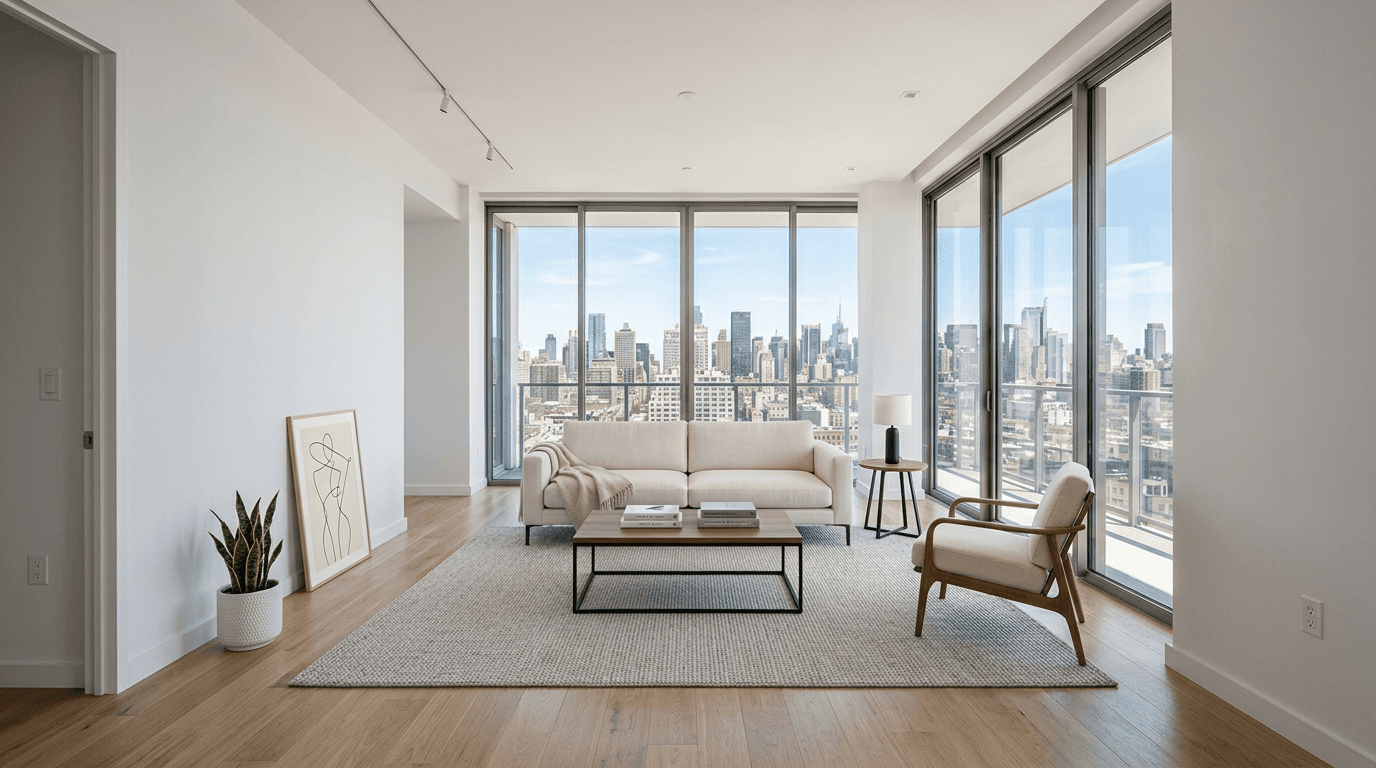
Virtual staging has become one of the most practical and profitable marketing tools available to developers transforming upper floors above artisan retail into loft apartments and condos, especially in historic downtown districts where raw space rarely speaks for itself. In 2026, buyers expect more than floor plans, empty-room photography, and a vague promise of lifestyle; they want to understand how a former storage floor, workshop, or underused commercial level will actually function as a home. That challenge is especially acute in upper-floor conversions, where access points can be unconventional, room shapes may be irregular, natural light can be uneven, and architectural quirks that developers value as authentic character can confuse buyers who are trying to imagine daily living. The right virtual staging strategy closes that imagination gap by translating dark, awkward, or fragmented interiors into believable homes with clear circulation, purposeful room definitions, and a compelling narrative about mixed-use historic living. For developers, it is not simply an aesthetic exercise. It is a sales enablement system that helps prospects understand layout efficiency, validates pricing, reduces hesitation, and reframes adaptive reuse complexity as charm, utility, and premium urban identity.
According to recent staging metrics by the National Association of Realtors (NAR), professionally staged properties can significantly increase sales speed and perceived value, accelerating the impact for your specific niche.
Step 1: Start with a conversion-specific staging strategy, not generic apartment décor
The most effective virtual staging for upper-floor residential conversions begins long before a designer places a sofa in a living room rendering. Developers in historic main-street environments need a strategy that responds to the building’s architectural truth, the target buyer profile, and the functional questions that naturally arise in adaptive reuse projects. A generic luxury-apartment look may appear polished, but it often fails to solve the real problem: buyers cannot tell how the space works. In upper-floor conversions above artisan retail, prospective residents are usually evaluating more than finishes. They are assessing whether a narrow entry sequence feels intentional, whether a deep floor plate can support comfortable daily life, whether angled walls or existing structural elements create limitations, and whether the experience of living over downtown storefronts feels exciting rather than compromised. A strong virtual staging plan therefore starts by identifying the exact moments of uncertainty in the buyer journey and designing visuals to answer them. That means mapping every major room use, clarifying travel paths from entry to living zones to private areas, and deciding where visual emphasis should reinforce the building’s best differentiators, such as exposed brick, tall historic windows, original trim, pressed-tin ceilings, timber beams, or rooftop adjacency. It also means selecting a design language that supports the project’s market position. A workforce loft, a boutique condo, and a premium heritage residence should not be staged with the same furniture density, styling cues, or lifestyle signals. When the staging concept is tailored to the conversion itself, buyers stop seeing an empty shell and start seeing a coherent residential product grounded in authenticity, usability, and local character.
Action Step
Create a room-by-room staging brief that defines target buyer, intended room use, circulation goals, architectural features to highlight, and the exact objections each image must overcome.
Step 2: Use virtual staging to solve spatial ambiguity and make circulation unmistakable
One of the biggest barriers to selling upper-floor conversions is that empty spaces with unusual geometry often look smaller, darker, and more confusing than they will feel once furnished. In adaptive reuse projects, open areas can be misread as impractical voids, alcoves can appear unusable, and long or segmented floor plans can make buyers question how they would move through the home. This is where virtual staging becomes indispensable as a spatial communication tool rather than a decorative layer. The goal is to make movement and room purpose instantly legible. Every furniture placement should explain how someone enters, turns, pauses, works, cooks, relaxes, entertains, and retreats to privacy. In loft-style homes above retail, this often means defining subtle zones without visually chopping up the openness that gives the property character. A dining table can establish the threshold between kitchen and living areas, a rug can anchor a conversation zone in a deep room, a console can orient the eye through a transitional space, and scaled bedroom furniture can prove that an oddly proportioned room still supports real residential use. For dark corners or secondary rooms, staging should demonstrate practical uses such as a reading niche, compact office, guest flex room, or built-in storage wall, showing that irregularity can be a design advantage rather than a flaw. Developers should also ensure that the staged layouts are dimensionally believable. Nothing undermines trust faster than oversized furniture that disguises constraints buyers will later discover during a showing. The most persuasive staged images function almost like visual wayfinding: they quietly answer, without explanation, where a resident would walk, gather, place belongings, and spend time every day.
Action Step
Identify the 3 to 5 areas in your floor plan that buyers are most likely to misunderstand, and stage each one to show precise room function and easy movement paths.
Step 3: Highlight light, volume, and historic character without misrepresenting the property
Upper-floor units in older downtown buildings often have two competing realities: they possess architectural richness that new construction cannot replicate, yet they may photograph poorly when vacant because natural light is directional, window placement is inconsistent, and the interplay of texture, shadow, and ceiling height is hard to capture in raw condition. Virtual staging should be used to reveal the livability already present in the space, not to fabricate a brighter or larger home than exists. That distinction matters both ethically and commercially. Sophisticated buyers are attracted to authenticity, especially in heritage settings, and they respond best when the visuals celebrate genuine historic assets while showing how contemporary living fits within them. Effective staging choices help the eye read light correctly by using furnishings, textiles, and finishes that reflect available illumination rather than absorb it. Lighter upholstery, restrained wood tones, mirrors placed in plausible positions, and carefully balanced décor can make a room feel warmer and more habitable while still remaining faithful to the building’s actual mood. Just as important, the staging should frame character elements as central selling points. If a unit has transom windows, exposed masonry, restored hardwoods, iron columns, or unusually high ceilings, those features should remain visible and unobstructed so the image tells a story of adaptive reuse value. Buyers considering homes over artisan retail are often purchasing identity as much as square footage; they want the romance of historic downtown living, but they also want confidence that the home will feel comfortable and refined. Virtual staging succeeds when it presents that balance clearly: old materials, modern functionality, and a believable relationship between charm, light, and daily use.
Action Step
Select every authentic architectural feature that differentiates the unit, then direct your staging provider to enhance visibility of those elements while keeping lighting and proportions realistic.
Step 4: Match the staging style to the downtown lifestyle your project is actually selling
Developers frequently underestimate how much virtual staging influences not only buyer perception of the unit, but also buyer perception of the entire neighborhood lifestyle. In a historic main-street mixed-use building, the residence is inseparable from its context. People are not simply buying interior square footage; they are buying morning coffee downstairs, walkable dinners, seasonal street festivals, storefront craftsmanship, and the emotional appeal of living above a vibrant small-town commercial district. For that reason, the staging style should align with the exact identity of the project and the surrounding streetscape. A heritage-inspired industrial loft aesthetic may work beautifully if the retail environment is anchored by makers, galleries, bakeries, and independent boutiques, because it mirrors the authenticity and tactile quality of the district. In contrast, a cleaner transitional style may better support a broader condo buyer pool if the developer is trying to communicate comfort, simplicity, and accessibility to downsizers or regional professionals. The key is intentionality. Furniture scale, artwork, textiles, lighting fixtures, and accessory choices should all help the buyer imagine themselves participating in this specific version of downtown life. Even subtle details can strengthen that narrative, such as a breakfast nook oriented toward upper-story windows overlooking the street, a compact work-from-home setup that acknowledges contemporary live-work rhythms, or a dining scene that implies easy entertaining after a short walk from local shops and restaurants. When style and setting are integrated, the unit feels rooted rather than generic. This dramatically improves the marketing power of listing photography, brochures, offering memorandums, and project websites because the imagery begins to communicate not just what the home looks like, but what life there feels like.
Action Step
Define the lifestyle story your conversion is selling—artist loft, boutique urban condo, heritage downsizer living, or another positioning—and require all staged visuals to reinforce that story consistently.
Step 5: Deploy staged visuals across the full sales funnel and measure what actually converts
Virtual staging delivers its highest return when developers treat it as a conversion asset across the entire marketing pipeline rather than a one-time enhancement for listing photos. In upper-floor conversion projects, especially in small downtown districts where buyer education is essential, staged imagery should support discovery, inquiry, qualification, and closing. That begins with primary listing images designed to stop scrolling and immediately communicate that the unit is not an awkward leftover above retail, but a thoughtfully designed residence with character and purpose. From there, developers should use supplementary staged views to answer the next level of buyer questions, including how bedrooms fit actual furniture, how open living areas are organized, how awkward corners become usable amenities, and how the home balances privacy with urban energy. These images can then be extended into landing pages, email campaigns, investor updates, social media reels, brochure spreads, window displays, pre-sales presentations, and agent briefing materials. Before-and-after comparisons are particularly effective in adaptive reuse because they demonstrate the developer’s vision and show tangible value creation without requiring buyers to mentally complete the transformation themselves. Just as important, teams should monitor which images produce the strongest engagement and lead quality. If one staged angle increases click-through rates, tour requests, or longer time on page, that visual is doing strategic work and should shape future campaigns. Likewise, if inquiries repeatedly focus on the same unresolved layout question, the staging set likely needs revision. In 2026, the strongest developers are not merely using virtual staging to make units prettier; they are using it as a measurable communication system that reduces uncertainty, shortens decision cycles, and supports pricing confidence in a niche product type that demands imagination from the market.
Action Step
Publish staged images at every buyer touchpoint, then track engagement, inquiry quality, and showing feedback to refine the visuals that most directly improve sales performance.
Explore More Resources
Conclusion
For artisan retail residential upper-floor conversion developers, virtual staging is far more than a cosmetic marketing tactic. It is one of the clearest ways to translate adaptive reuse complexity into buyer confidence. When approached strategically, it helps prospects understand circulation, room purpose, light, scale, and the lived experience of occupying a historic mixed-use building in a small downtown district. The strongest results come from staging that is rooted in the actual architecture, honest about spatial realities, aligned with the project’s target lifestyle, and deployed throughout the sales funnel as a persuasive educational tool. In a market where empty upper floors can appear confusing or compromised, well-executed virtual staging reframes them as distinctive, functional, and emotionally desirable homes. For developers trying to unlock value in heritage buildings, that shift in perception can make the difference between curiosity and commitment.
Ready to Stage Your First Room?
Join thousands of top real estate professionals who use AI Virtual Staging to instantly transform vacant photos into fully-furnished masterpieces in under 20 seconds.
Start Staging For FreeFrequently Asked Questions
Why is virtual staging especially important for upper-floor conversions above historic retail?
Because these spaces often have unusual layouts, uneven natural light, and architectural quirks that are difficult for buyers to interpret when vacant. Virtual staging helps define how rooms function, clarifies circulation, and shows how historic character translates into comfortable modern living, which is essential in mixed-use adaptive reuse projects.
Can virtual staging help buyers understand oddly shaped rooms or deep floor plans?
Yes. One of its greatest advantages is turning ambiguous space into understandable residential use. By placing believable, correctly scaled furniture and accessories, developers can demonstrate how alcoves, long rooms, corner areas, and irregular footprints can support living, dining, sleeping, storage, or work-from-home functions.
How do developers avoid making staged images feel misleading?
The best practice is to base every staged image on true room dimensions, realistic furniture scale, and honest lighting conditions. The goal is not to invent a different property, but to reveal the property’s best use. Keeping original architecture visible and avoiding exaggerated brightness or impossible layouts preserves buyer trust.
What interior style works best for historic downtown loft or condo conversions?
The ideal style depends on the target market and the identity of the district. Some projects benefit from heritage-industrial styling that emphasizes brick, beams, and artisan character, while others perform better with softer transitional interiors that broaden buyer appeal. The key is matching the style to both the architecture and the lifestyle being marketed.
Where should staged images be used besides the MLS or listing page?
They should appear across the full marketing ecosystem, including project websites, landing pages, social posts, email campaigns, brochures, investor materials, agent presentations, and pre-sales packages. In adaptive reuse developments, consistent staged visuals help educate buyers over time and strengthen the project narrative at every decision point.
Explore More Guides
Continue building your real estate expertise.
The Step-by-Step Guide to Virtual Staging for Failed Short-Term Rental Repositioning Consultants
An authoritative 2026 step-by-step guide for consultants using virtual staging to reposition failed short-term rentals into mid-term, furnished monthly, or long-term residential assets with stronger tenant appeal and clearer investment narratives.
The Step-by-Step Guide to Virtual Staging for Outdoor Hospitality Glamping Residence Brokers
An authoritative 2026 step-by-step guide for outdoor hospitality glamping residence brokers on using virtual staging to market glamping resorts, park model cabin communities, and experiential hospitality properties with residential components.
The Step-by-Step Guide to Virtual Staging for Conversion of Motels to Micro-Apartments Developers
An authoritative 2026 step-by-step guide for developers using virtual staging to reposition converted motels as desirable micro-apartments, workforce housing, and compact rental communities that lease faster and overcome layout stigma.
The Step-by-Step Guide to Virtual Staging for Home Organization Franchise Marketing Teams
An authoritative 2026 step-by-step guide for home organization franchise marketing teams using virtual staging to create aspirational, branded visuals that drive leads across closet, pantry, garage, and storage transformation markets.
The Step-by-Step Guide to Virtual Staging for Mountain Modern Custom Home Builders
An authoritative 2026 step-by-step guide for mountain modern custom home builders on using virtual staging to market vacant new builds, reduce carrying costs, and help buyers connect alpine architecture to an aspirational lifestyle.
The Step-by-Step Guide to Virtual Staging for Marina Slip Liveaboard Community Developers
An authoritative step-by-step guide for marina slip liveaboard community developers on using virtual staging to market floating homes, residential slips, and boater-centric living with stronger buyer visualization, education, and conversion.