
The Step-by-Step Guide to Virtual Staging for Industrial Live/Work Space Brokerages
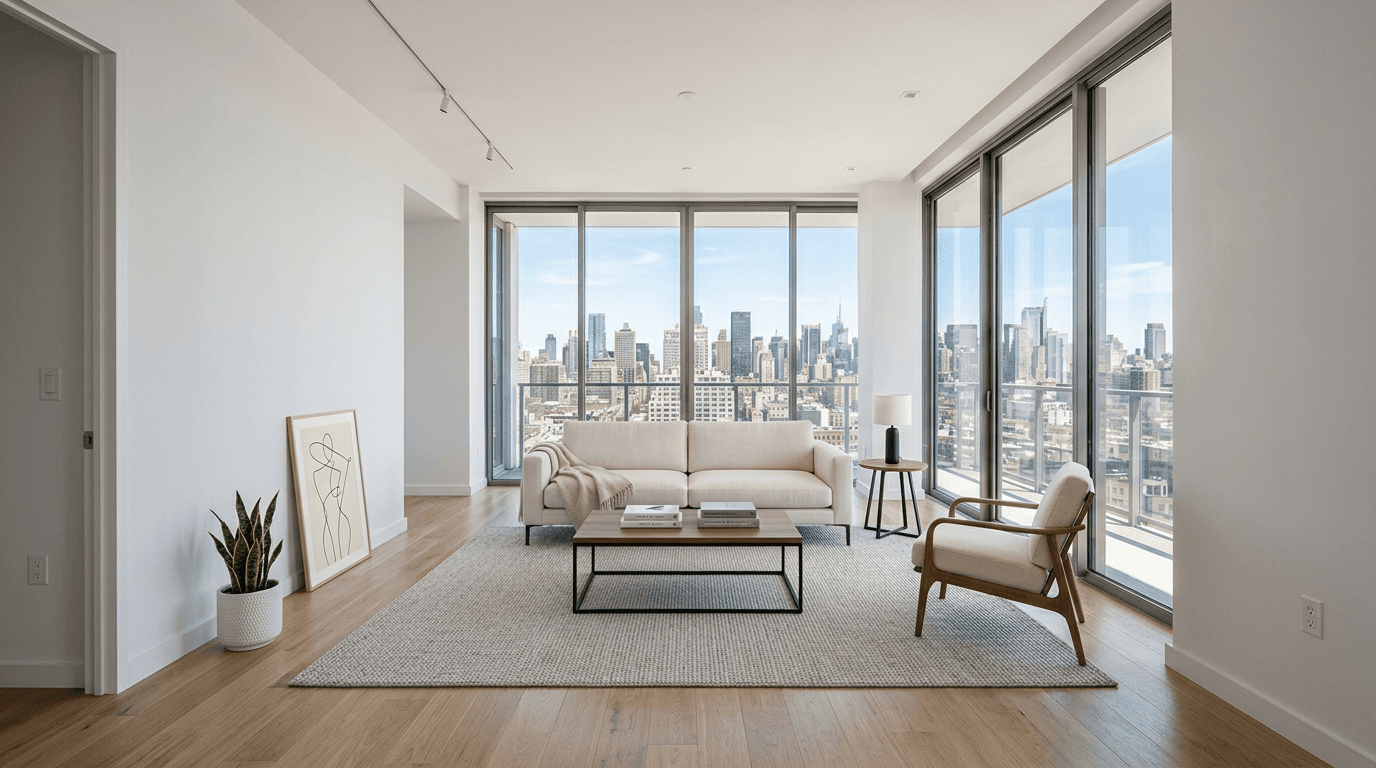
Virtual staging has become one of the most important marketing tools for industrial live/work space brokerages because these properties ask buyers and tenants to understand two realities at once: how a space performs as a home and how it functions as a productive commercial environment. That is a difficult leap for prospects to make when they are looking at raw brick shells, open-span warehouse bays, mezzanines, roll-up doors, exposed utilities, concrete floors, or oddly proportioned floor plans that do not resemble conventional apartments or standard commercial suites. In 2026, the brokerages winning attention in this niche are not simply posting better photos; they are creating visual narratives that remove confusion, clarify use cases, and help entrepreneurs, artists, founders, designers, fabricators, and hybrid owner-occupants immediately see how a space supports their lifestyle and business model. For industrial live/work listings, effective virtual staging is not about decoration for decoration’s sake. It is about strategic interpretation of a complex asset so the right prospect can understand workflow, privacy, storage, entertaining potential, client-facing functionality, and code-conscious livability within seconds. This guide explains exactly how brokerages can use virtual staging step by step to transform cold, empty, or unconventional units into compelling, high-conversion listings that attract more qualified inquiries and shorten the path from confusion to conviction.
According to recent staging metrics by the National Association of Realtors (NAR), professionally staged properties can significantly increase sales speed and perceived value, accelerating the impact for your specific niche.
Step 1: Start with a functional positioning strategy before you stage a single image
The most common mistake industrial live/work brokerages make with virtual staging is treating it as a cosmetic layer added after photography, when in reality the highest-performing staging begins with positioning the asset around a clearly defined functional story. A raw live/work unit can be interpreted in many ways, and that flexibility is both its greatest strength and its greatest marketing risk. If you do not decide what role the property is playing in the market, your virtual staging will look attractive but directionless, leaving prospects uncertain whether the space is intended for a ceramic artist, apparel designer, content studio owner, boutique manufacturer, architect, furniture maker, or founder running a client-facing creative business from home. Before you commission any staging, audit the property as an operating environment. Identify what proportion of the layout naturally supports residential use versus production, office, showroom, storage, or receiving functions. Evaluate ceiling heights, loading access, window lines, acoustic realities, utility conditions, mezzanine opportunities, bathroom placement, kitchenette feasibility, and the relationship between public-facing and private zones. Then decide which one or two highest-probability use cases should guide the visual concept. For example, a double-height loft with broad natural light may be best staged for a designer-maker who needs a fabrication zone below and a refined residential retreat above, while a unit with a roll-up door and polished concrete may be better positioned as a founder-operated product studio with a compact sleeping area and hospitality-driven meeting space. This strategic step matters because buyers and tenants do not just purchase square footage; they purchase confidence that the space can support the rhythms of work and life without compromise. When your staging reflects a coherent business-residential narrative, every image becomes easier to understand, the listing copy becomes more specific, and your brokerage differentiates itself as a specialist that understands how hybrid assets are actually used in the real world.
Action Step
Define the property’s top one or two target live/work use cases and document the functional story each staged image needs to communicate.
Step 2: Build staging concepts around your ideal prospect personas, not generic industrial aesthetics
Once the property’s functional positioning is defined, the next step is to create virtual staging concepts that match the expectations, aspirations, and practical needs of the most likely buyer or tenant personas. This is where many brokerages lose conversion momentum, because they default to a generic industrial-chic look featuring a sofa, dining table, laptop, and abstract art, assuming that exposed brick and Edison bulbs will do the rest. For industrial live/work spaces, that approach is too shallow. Your audience is evaluating whether the environment can support a very specific way of living and operating. A sculptor needs to see clean workflow separation, material storage, and enough residential warmth to believe the space can still feel restorative after long workdays. A creative agency founder may need a stage-set that suggests client presentation potential, editing stations, collaborative seating, and a private sleeping loft that does not feel like an afterthought. A fashion entrepreneur may respond to racks, sample review areas, shipping organization, and a residential kitchen zone that reads as both stylish and practical. Effective virtual staging therefore begins with persona mapping. Clarify who the listing is most likely to attract by considering budget range, business type, household composition, need for privacy, entertaining habits, client traffic, equipment footprint, and sensitivity to noise or visual clutter. Then develop a staging palette, furniture scale, lighting logic, and accessory selection that makes the persona feel understood. Residential zones should feel livable without looking domestic to the point of undermining the industrial identity of the property, while work zones should feel productive and inspiring without creating the impression of code risk or overcrowding. The highest-ranking, most persuasive listings show not just beauty but relevance. They answer the unspoken question every serious prospect has: can people like me actually thrive here? When your staging is persona-specific, your brokerage stops marketing empty volume and starts marketing a future lifestyle-business system prospects can imagine stepping into immediately.
Action Step
Choose the primary buyer or tenant persona for the listing and create a staging brief tailored to that audience’s real work-life needs.
Step 3: Use virtual staging to solve unusual layouts and visually explain circulation, zoning, and scale
Industrial live/work properties often underperform online not because they lack potential, but because their layouts are visually difficult to decode from still photography alone. Long rectangular footprints, partial mezzanines, split levels, deep floor plates, oversized bays, awkward columns, utility walls, and irregular window placement can make even premium units feel disjointed or intimidating when they are shown empty. Virtual staging should therefore be used as an interpretive tool that makes circulation and zoning instantly legible. Rather than filling the frame with decorative objects, stage with the goal of teaching the eye how to move through the space. Show where focused work happens, where decompression happens, where dining or meetings happen, how storage is integrated, and how a prospect would transition from public-facing functions to private living space. In a double-height area, use furniture grouping and vertical visual hierarchy to signal scale and purpose so the room feels intentional instead of cavernous. In a mezzanine arrangement, stage both levels in a way that clarifies relational use, such as sleeping above and making below, or office above and lounge below, while preserving believable pathways and safety-conscious spacing. In units with broad open floors, define zones with rugs, shelving, worktables, lighting clusters, and seating arrangements that imply function without fragmenting the architecture. This matters because hybrid users are constantly assessing friction: how far materials travel, whether clients will walk through private areas, whether noise will dominate the rest space, whether there is visual calm as well as utility. Virtual staging can make these answers feel obvious when photography alone cannot. A strong set of staged images should reduce cognitive load, helping prospects understand dimensions emotionally as well as intellectually. When a listing explains its own layout through staging, brokers spend less time overcoming confusion on calls and tours, and more time speaking with prospects who already grasp the asset’s operational logic.
Action Step
Stage key photos to clearly define work, living, storage, and transition zones so the layout becomes immediately understandable online.
Step 4: Create photorealistic, compliant visuals that build trust instead of skepticism
In a specialized asset class like industrial live/work space, trust is a conversion asset, and your virtual staging must enhance credibility rather than raise doubts. Sophisticated buyers and tenants in 2026 have seen enough manipulated listing imagery to recognize when staging looks overly glossy, physically impossible, or disconnected from the property’s true proportions. If the furniture scale is unrealistic, the lighting direction is inconsistent, the staged finishes imply renovations that do not exist, or the work areas appear incompatible with the actual utility infrastructure, prospects may click away or arrive on-site feeling misled. That is why photorealism and disclosure are not optional technical concerns; they are central to brokerage performance. Start with excellent base photography that captures the unit honestly, including ceiling height, natural light patterns, floor conditions, structural features, and any distinctive industrial elements that should remain visible. Then ensure the virtual staging respects architectural constraints rather than covering them up. Furniture should fit the room, pathways should remain believable, and every staged work zone should feel feasible in relation to outlets, windows, doors, and clearances. Avoid adding specialized equipment that implies a use the property may not legally or practically support. Instead, suggest category-appropriate use with furnishings and accessories that create mood and functionality without making unverifiable promises. Equally important, clearly label images as virtually staged in listing media and marketing materials according to local standards and platform expectations. Brokerages that embrace transparent, high-quality visual enhancement consistently outperform those that chase attention with exaggerated fantasy images because trust compounds across the entire funnel. When prospects believe your photos, they also believe your copy, your pricing logic, and your market expertise. In an asset category where uncertainty is already high, disciplined virtual staging reduces skepticism, strengthens brand authority, and sets the tone for smoother negotiations and fewer disappointments during tours.
Action Step
Audit every staged image for realism, accurate scale, honest representation, and clear disclosure before publishing the listing.
Step 5: Integrate staged visuals into a full-funnel marketing system that turns interest into qualified tours
Virtual staging delivers its highest return when it is treated not as an isolated listing enhancement but as the visual foundation of a complete marketing system designed to attract, educate, and qualify the right prospects. Once your images clearly communicate how the industrial live/work unit can support a specific kind of lifestyle and business operation, those visuals should shape every touchpoint in the campaign. The lead image should immediately express the property’s most compelling blended use case, while secondary images should progressively answer practical objections about zoning, livability, workflow separation, hosting, storage, and comfort. Your listing description should reference the staged functional narrative in concrete language, explaining how the layout supports makers, founders, artists, or creative professionals rather than relying on vague phrases like flexible space or endless possibilities. On the property webpage, pair staged photos with floor plans, alternate-use captions, and if appropriate, side-by-side original and staged images so prospects can understand both the current condition and the envisioned outcome. In email marketing and social campaigns, segment messaging by persona, featuring the specific staged view most likely to resonate with each audience subset. During inquiry handling, use staged images to pre-qualify leads by asking which use-case setup best reflects their goals, allowing brokers to identify fit faster and tailor tour conversations more intelligently. Even on-site, staged visuals can support leasing and sales by helping visitors connect raw conditions to an achievable end state. The result is a more efficient funnel: fewer low-intent inquiries, stronger emotional engagement, and better-informed tours. For industrial live/work brokerages, this integration is where virtual staging stops being a visual service and becomes a strategic conversion engine that clarifies value, differentiates inventory, and improves the quality of every market interaction.
Action Step
Use your staged images across listing pages, email, social, and lead qualification so the same visual story guides prospects from first click to tour.
Explore More Resources
Conclusion
For industrial live/work space brokerages, virtual staging is far more than a cosmetic upgrade for empty listings. It is a strategic method for translating complex, unconventional, and often intimidating spaces into clear, credible opportunities that entrepreneurs, artists, and hybrid owner-occupants can immediately understand. When you begin with functional positioning, tailor visuals to real prospect personas, use staging to explain unusual layouts, maintain strict realism and transparency, and deploy those assets across the full marketing funnel, you turn ambiguity into clarity and raw square footage into an aspirational yet believable future. In a niche where prospects must imagine living and working in the same environment, the brokerages that control the visual narrative are the ones most likely to earn attention, trust, and qualified tours in 2026.
Ready to Stage Your First Room?
Join thousands of top real estate professionals who use AI Virtual Staging to instantly transform vacant photos into fully-furnished masterpieces in under 20 seconds.
Start Staging For FreeFrequently Asked Questions
Why is virtual staging especially effective for industrial live/work properties compared with standard residential listings?
Industrial live/work properties require prospects to understand two overlapping functions at once: residential comfort and operational utility. Unlike a standard apartment, these spaces often have unconventional layouts, raw finishes, oversized volumes, or mixed-use features that can feel confusing when empty. Virtual staging helps brokerages clarify how the property can actually work day to day by showing zones for living, creating, meeting, storing, and resting, which makes the listing far easier to interpret and far more compelling to niche audiences.
What types of live/work users should brokerages consider when planning virtual staging concepts?
Brokerages should begin with the highest-probability user profiles for the specific unit, such as artists, product designers, photographers, fabricators, creative agency founders, fashion entrepreneurs, architects, or small-scale maker-business operators. The right staging concept depends on factors like client traffic, equipment footprint, need for quiet residential separation, storage requirements, and the degree to which the space must feel polished versus production-oriented. Generic staging usually underperforms because it does not speak to these practical differences.
How realistic should virtually staged industrial spaces look?
They should look highly realistic and fully consistent with the actual architecture, scale, light, and probable use of the property. Overly stylized or physically implausible images can reduce trust and create disappointment during tours. The most effective virtual staging respects ceiling heights, pathways, door clearances, and existing finishes while suggesting achievable occupancy patterns. In this niche, realism matters because buyers and tenants are making high-stakes decisions about both living and working in the same location.
Should brokerages disclose that images are virtually staged?
Yes. Clear disclosure is a best practice and may also be required depending on local regulations, MLS rules, advertising standards, or platform policies. Transparent labeling protects your brokerage’s credibility and helps ensure prospects understand that the images represent potential use rather than current condition. In industrial live/work marketing, disclosure is particularly important because prospects are evaluating functionality, not just aesthetics, and they need confidence that the visuals are inspirational but honest.
Can virtual staging help reduce unqualified inquiries for difficult hybrid spaces?
Yes, when used strategically. Strong virtual staging does more than attract attention; it helps prospects self-identify whether the layout, lifestyle, and workflow fit their needs. By presenting a clear use-case narrative and showing how different zones function, brokerages reduce confusion and discourage inquiries from people who would otherwise be drawn in by vague descriptions but ultimately find the space unsuitable. That leads to better-quality leads, more productive tours, and a more efficient sales or leasing process.
Explore More Guides
Continue building your real estate expertise.
The Step-by-Step Guide to Virtual Staging for Subdivision Model Home Alternative Marketing Teams
Learn how production builders can use virtual staging as a lower-cost alternative to multiple physical model homes across subdivisions, improve plan merchandising, tailor design styles by buyer demographic, and market vacant inventory homes at scale in 2026.
The Step-by-Step Guide to Virtual Staging for Multifamily Value-Add Renovation Lease-Up Teams
An authoritative 2026 step-by-step guide for multifamily value-add renovation lease-up teams on using virtual staging to accelerate absorption, market renovated units effectively during phased turns, differentiate classic versus upgraded inventory, and help renters visualize finished outcomes.
The Step-by-Step Guide to Virtual Staging for Special Needs Housing Development Teams
An authoritative 2026 step-by-step guide for special needs housing development teams on using virtual staging to present accessible, dignified, warm, and trust-building supportive housing to families, funders, and community stakeholders.
The Step-by-Step Guide to Virtual Staging for Waterfront Dock-Access Home Listing Specialists
An authoritative 2026 step-by-step guide for waterfront dock-access home listing specialists on using virtual staging to market canal homes, boating-centric residences, and dock-access properties more effectively by connecting interior spaces to lifestyle, improving photo performance, and increasing buyer engagement.
The Step-by-Step Guide to Virtual Staging for Brownfield Townhome Redevelopment Marketers
An authoritative 2026 step-by-step guide for brownfield townhome redevelopment marketers on using virtual staging to overcome site stigma, help pre-construction buyers visualize finished interiors, standardize repetitive unit plans, and improve conversion from land story to lifestyle sale.
The Step-by-Step Guide to Virtual Staging for Luxury Urban Penthouse Rental Operators
An authoritative 2026 step-by-step guide for luxury urban penthouse rental operators using virtual staging to justify premium rents, craft bespoke visual narratives, and market expansive empty spaces with precision.