
The Step-by-Step Guide to Virtual Staging for Urban Loft Condo Conversion Developers
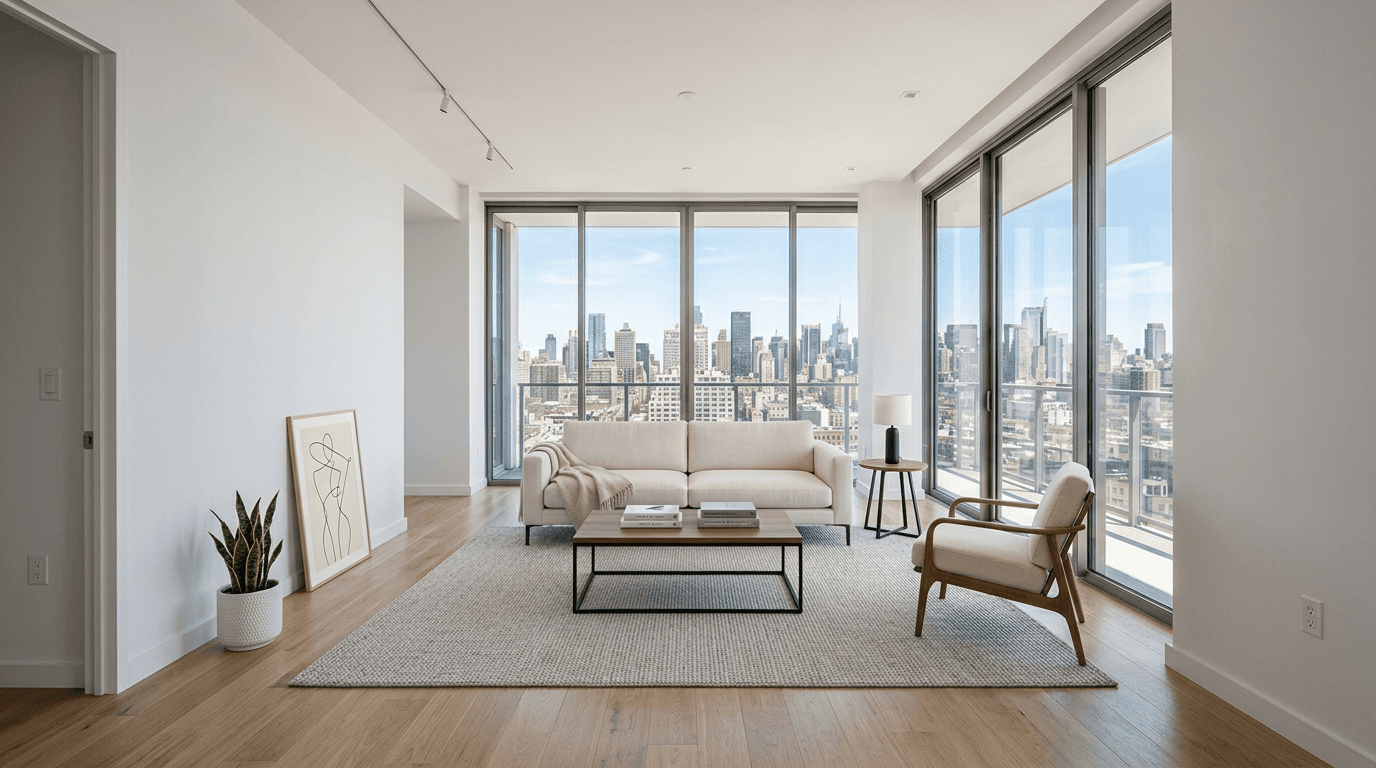
Virtual staging has become one of the most effective sales and marketing tools available to urban loft condo conversion developers, especially in 2026 when buyers expect premium digital presentation long before every unit is physically finished, cleaned, lit, and ready for in-person tours. If you are transforming obsolete warehouses, former mills, or underused office buildings into loft-style residential condos, you are not simply selling square footage; you are selling a vision of industrial character, livability, and lifestyle in spaces that often begin as raw shells, construction zones, or architecturally unusual floorplans. That creates a serious marketing challenge. Unfinished interiors can look cold, confusing, or cramped in listing photography even when the completed product will feel dramatic and desirable. Exposed brick, steel, oversized windows, concrete floors, and odd column placements can be extraordinary selling points, but only if buyers can immediately understand how furniture fits, how rooms flow, and how daily life works inside the space. Virtual staging solves this gap between construction reality and buyer imagination. When deployed strategically, it helps developers present adaptive reuse inventory with clarity, emotional appeal, and brand consistency while protecting the authenticity of the building’s historic features. This guide explains exactly how developers and sales teams can use virtual staging step by step to reduce friction, elevate perception, differentiate downtown inventory, and convert hard-to-visualize loft units into highly marketable homes.
According to recent staging metrics by the National Association of Realtors (NAR), professionally staged properties can significantly increase sales speed and perceived value, accelerating the impact for your specific niche.
Step 1: Start with a conversion-specific visual strategy before you stage a single image
The biggest mistake urban loft condo conversion developers make with virtual staging is treating it like a decorative add-on rather than a structured sales strategy. In adaptive reuse projects, every image must solve a specific buyer objection because your inventory is often more architecturally complex than standard new-construction condos. Before commissioning any staged visuals, begin by segmenting unit types according to what buyers may struggle to understand: narrow warehouse bays, deep floorplans with borrowed light, units with exposed columns, mezzanine sleeping areas, awkward corners created by legacy structure, and office-to-residential conversions where room proportions feel unfamiliar compared with conventional apartments. Your staging strategy should identify which spaces require the clearest visualization of use, circulation, and scale. For example, a former mill unit with massive window walls may need staging that emphasizes openness and dining capacity, while an office conversion unit may need visual cues that redefine an old conference-zone footprint into a comfortable living suite with intentional zoning. This planning stage is also where you define your buyer personas, such as design-forward owner-occupants, urban downsizers, investors seeking rental demand, or professionals relocating downtown. Each audience responds to different styling signals, and staging that ignores this will look generic rather than persuasive. Just as importantly, determine what industrial elements must remain central in the imagery. Exposed ductwork, original timber beams, concrete ceilings, freight doors, and factory windows should not be visually overwhelmed; they are core to the asset’s identity and pricing power. A strong visual strategy establishes where virtual staging should clarify functionality, where it should heighten aspiration, and where restraint is necessary to preserve architectural authenticity. When done correctly, this foundation ensures every rendered image supports absorption goals, reinforces project branding, and helps your sales team tell a consistent story across listings, brochures, digital ads, and presentation decks.
Action Step
Audit your unit mix and create a visual staging brief that maps buyer objections, target personas, and the architectural features each image must clarify or highlight.
Step 2: Capture source imagery that makes unfinished adaptive reuse spaces marketable and believable
Virtual staging is only as effective as the base photography or render source files behind it, and this is especially true in urban loft conversions where lighting conditions, construction debris, ceiling heights, and industrial materials can either create dramatic appeal or make a unit feel chaotic and unusable. Developers should resist the urge to stage poor-quality site photos simply to move quickly. Instead, build a disciplined capture process that prepares unfinished spaces for visual enhancement without misrepresenting the final product. That means coordinating timing with the construction team so units are photographed when the defining permanent elements are visible but temporary mess is minimized. Sweep floors, remove loose materials, conceal equipment where possible, and ensure windows are clean enough to communicate natural light. In warehouse and mill conversions, daylight can be one of the project’s strongest advantages, but badly timed photography can flatten texture or create glare that weakens the finished result. Wide-angle images should be used carefully because exaggerated lens distortion can make unusual floorplans appear misleading, while overly tight compositions fail to show how living zones connect in open-plan lofts. For especially difficult spaces, consider combining professional photography with developer-approved architectural visualizations so your marketing library includes both realism and design precision. It is also essential to capture multiple angles that answer practical buyer questions: where a sofa can actually sit, how a dining area relates to kitchen placement, whether a home office nook is viable, and how circulation works around structural columns or stair elements. Good source imagery allows virtual staging artists to add furniture, rugs, lighting, and décor in ways that feel spatially correct rather than pasted on. This credibility matters because loft buyers are often visually sophisticated and skeptical of marketing that feels overproduced or deceptive. The goal is not to hide the adaptive reuse nature of the property but to frame it intelligently so the final staged images help buyers trust the space, understand the layout, and emotionally connect to the end product before final completion.
Action Step
Schedule a professional photo capture of representative units after cleanup and create a shot list focused on layout clarity, light quality, and industrial architectural features.
Step 3: Design virtual staging that interprets irregular loft layouts instead of masking them
In adaptive reuse condo sales, the true power of virtual staging is not making units look prettier; it is making unconventional spaces feel legible, desirable, and livable. Urban loft conversion inventory often includes conditions that confuse buyers in empty photos, such as long rectangular rooms, offset windows, exposed structural grids, low bulkheads, split-level platforms, or former office footprints that lack obvious room identity. Effective virtual staging should interpret these complexities through furniture placement, visual zoning, proportion, and style cues that answer the buyer’s silent question: how would I actually live here? This requires staging with architectural intelligence. Rather than overfilling the room to create false warmth, use scale-appropriate furnishings to define zones while preserving openness, especially in units where ceiling height and volume are major selling points. A sectional might clarify living orientation in a wide-open warehouse bay, while a round dining table may soften a hard-edged industrial shell and improve flow around columns. In former office conversions, staging can transform ambiguous corners into a workstation, reading area, or compact guest zone, helping prospects understand utility without requiring walls to be built. Stylistically, the strongest executions blend contemporary comfort with the building’s industrial DNA. Clean-lined furniture, layered textures, restrained color palettes, and selective warmth through wood, textiles, and lighting tend to work better than trend-heavy décor that competes with original brick, concrete, steel, and timber. You should also tailor staging packages to price point and target demographic. A premium penthouse-level loft should convey elevated urban sophistication, while an entry-level investor-friendly unit may benefit from a more streamlined, efficient visual language. Importantly, every staged image must remain plausible. Furniture dimensions should fit the room accurately, sightlines should stay open, and historic features should remain visible. When virtual staging interprets the architecture rather than covering it up, buyers can appreciate both the romance of adaptive reuse and the practical reality of everyday living, which dramatically improves confidence during inquiry, touring, and contract decision stages.
Action Step
Approve staging concepts that define living zones, respect true furniture scale, and reinforce the building’s industrial character rather than hiding its unconventional layout.
Step 4: Deploy staged visuals across the full sales funnel, not just listing photos
Many developers underuse virtual staging by limiting it to MLS or portal imagery, when in reality its greatest value emerges when it is integrated across the entire buyer journey. Urban loft condo conversions require more education than standard residential inventory because buyers are often evaluating not just finishes and price, but the meaning of adaptive reuse, the logic of unconventional floorplans, and the lifestyle promise of downtown living. For that reason, your staged visuals should be repurposed into a coordinated sales system. Begin with listing galleries that pair key unstaged and staged perspectives so prospects can trust the authenticity of the unit while also understanding its potential. Then extend those same visuals into project websites, unit-specific landing pages, email nurture campaigns, social media carousels, broker outreach decks, digital ads, and sales center presentation screens. Sales teams can use staged before-and-after comparisons to explain room function during consultations, particularly for buyers struggling to interpret open layouts or construction-phase units. In competitive downtown markets, this consistency becomes a major differentiator because prospects often compare several projects quickly and remember the one that helped them visualize living there most clearly. Virtual staging can also support inventory strategy by showcasing multiple use cases for the same floorplan, such as a second bedroom versus office, or a dining-forward layout versus an entertaining lounge configuration. That flexibility is highly valuable in loft projects where buyer lifestyles vary dramatically. To maximize conversion impact, track which visuals drive the strongest click-through rates, longest webpage engagement, most inquiry submissions, and best tour-to-reservation performance. Your marketing team should not treat virtual staging as static creative, but as a measurable sales asset tied to specific inventory challenges and campaign objectives. When deployed throughout the full funnel, staged imagery reduces cognitive friction, strengthens buyer confidence, and gives brokers and in-house teams a more persuasive visual language for explaining why your loft conversion deserves attention in a crowded urban field.
Action Step
Integrate your staged images into listings, landing pages, ads, email campaigns, and sales presentations, then track which visuals produce the most inquiries and tours.
Step 5: Govern accuracy, compliance, and performance so virtual staging accelerates real absorption
The most sophisticated urban loft condo conversion developers understand that virtual staging is not finished when the images are delivered; it must be managed as an operational discipline tied to trust, compliance, and sales velocity. Because adaptive reuse projects often market units before full completion, developers have a heightened responsibility to ensure staged visuals are both inspiring and defensible. Establish internal review procedures involving development, design, legal, and sales leadership so each image accurately reflects fixed architectural conditions, finish packages, ceiling configurations, window placements, and likely furniture fit. If a room can only accommodate a small dining setting, staging it with an oversized table may generate early interest but create disappointment during tours and erode credibility with buyers and brokers. In 2026, transparency matters more than ever, so clearly identify virtually staged images wherever appropriate and maintain easy access to unstaged versions. This does not weaken marketing; it strengthens trust and positions your team as sophisticated rather than evasive. Beyond compliance, you should regularly evaluate performance at the unit and campaign level. Compare inquiries, showing requests, reservation rates, and days-on-market between staged and unstaged inventory, and note whether certain unit types benefit more from alternate staging styles or room-use scenarios. If buyers repeatedly ask about workspace options, pet zones, or storage functionality, feed those insights back into future visual packages. Also review whether your staged imagery aligns with actual tour experience; a disconnect between digital impression and on-site perception can quietly suppress conversion. Finally, build a repeatable system so every new release, model unit, and resale-support asset follows the same standards for quality, authenticity, and analytics. When virtual staging is governed carefully, it becomes far more than a cosmetic enhancement. It turns into a strategic conversion tool that shortens the imagination gap, increases buyer confidence, supports premium positioning, and helps adaptive reuse inventory absorb faster in demanding downtown condo markets.
Action Step
Create a formal approval and reporting process for all virtually staged assets so every image is accurate, disclosed appropriately, and tied to measurable sales outcomes.
Explore More Resources
Conclusion
For urban loft condo conversion developers, virtual staging is no longer a cosmetic marketing option; it is a core sales enablement strategy for translating raw, irregular, and unfinished adaptive reuse inventory into clear, compelling residential opportunities. When you begin with a conversion-specific visual plan, capture strong source imagery, stage with architectural intelligence, distribute visuals across the entire sales funnel, and manage the process with accuracy and performance oversight, you give buyers something they urgently need: confidence in how the space will live. That confidence is especially valuable in former warehouses, mills, and office buildings where industrial character and unconventional layouts can either elevate demand or create confusion depending on how they are presented. The developers who win in competitive downtown markets are the ones who preserve authenticity while making possibility unmistakable. Done well, virtual staging helps your team showcase character without construction chaos, clarify difficult floorplans, support pricing, improve absorption, and distinguish your project from generic new-build inventory.
Ready to Stage Your First Room?
Join thousands of top real estate professionals who use AI Virtual Staging to instantly transform vacant photos into fully-furnished masterpieces in under 20 seconds.
Start Staging For FreeFrequently Asked Questions
Why is virtual staging especially effective for loft condo conversions compared with traditional condos?
Loft condo conversions often involve irregular layouts, exposed structure, unusual room proportions, and units that may still be under construction when marketing begins. In empty photos, those features can confuse buyers rather than inspire them. Virtual staging helps interpret how the space functions while preserving the industrial character that makes adaptive reuse inventory valuable. Traditional condos usually rely on more familiar floorplans, so buyers need less visual assistance to understand where furniture goes and how rooms flow.
Should developers show both staged and unstaged images for adaptive reuse units?
Yes. Showing both can increase credibility and reduce buyer skepticism, especially when marketing unfinished or hard-to-photograph spaces. The unstaged image demonstrates the unit’s real architectural condition, while the staged version helps the buyer understand livability, scale, and layout potential. This pairing is particularly useful in adaptive reuse projects where authenticity matters and buyers want reassurance that historic features and spatial dimensions are being represented honestly.
How do we choose the right virtual staging style for an industrial loft project?
The best staging style supports the building’s original character instead of overpowering it. Most urban loft conversions benefit from a balanced aesthetic that mixes contemporary furnishings with restrained warmth, allowing exposed brick, timber, steel, and concrete to remain focal points. Developers should match styling to target buyer segments, price tier, and neighborhood positioning. A luxury downtown loft may call for more refined, gallery-like interiors, while a more attainable unit may benefit from efficient, approachable styling that emphasizes flexibility.
Can virtual staging help sell units before construction is complete?
Absolutely. In fact, this is one of its most practical uses for condo conversion developers. When units are still in progress, physical staging may be impossible or financially inefficient, yet buyers and brokers still need to visualize the finished home. Virtual staging allows developers to market layout, atmosphere, and room function earlier in the sales cycle, which can support pre-sales, broker outreach, and momentum for future inventory releases.
What metrics should developers track to measure whether virtual staging is working?
Developers should evaluate both marketing and sales metrics. Key indicators include click-through rates on listings and ads, time spent on unit pages, inquiry volume, showing requests, broker engagement, tour-to-reservation conversion, and days on market by unit type. It is also useful to compare buyer feedback across staged and unstaged inventory and monitor whether specific layouts or staging scenarios generate stronger response. The goal is to determine not just whether the images look better, but whether they materially improve buyer understanding and accelerate absorption.
Explore More Guides
Continue building your real estate expertise.
The Step-by-Step Guide to Virtual Staging for Luxury Spec Home Marketing Agencies
An authoritative 2026 step-by-step guide for luxury spec home marketing agencies on using virtual staging to market vacant multimillion-dollar homes faster, elevate online presentation, reduce time on market, and support premium pricing with aspirational imagery.
The Step-by-Step Guide to Virtual Staging for Tenant Improvement Commercial Condo Brokers
An authoritative 2026 step-by-step guide for tenant improvement commercial condo brokers on using virtual staging to market shell or dated office condos to owner-users, showcase business-specific layouts, and generate demand faster without full architectural renderings.
The Step-by-Step Guide to Virtual Staging for Accessory Dwelling Unit (ADU) Builders
An authoritative 2026 step-by-step guide for ADU builders on using virtual staging to market detached backyard homes, garage conversions, and compact accessory dwelling units with stronger visuals, better buyer understanding, and more qualified leads.
The Step-by-Step Guide to Virtual Staging for Sober Living Home Operators
An authoritative 2026 step-by-step guide for sober living home operators on using virtual staging to improve occupancy, reduce stigma, and present residences with safety, dignity, comfort, and professionalism.
The Step-by-Step Guide to Virtual Staging for Luxury Home Lease-Up Brokerages
An authoritative 2026 step-by-step guide to using virtual staging for luxury home lease-up brokerages, covering strategy, design standards, marketing execution, compliance, and performance optimization to lease high-end homes faster at premium rates.
The Step-by-Step Guide to Virtual Staging for Suburban Medical Condo Investment Brokers
An authoritative 2026 step-by-step guide for suburban medical condo investment brokers on using virtual staging to market medical office condos to owner-users and investors, demonstrate healthcare readiness, reduce buyer uncertainty, and improve listing performance.