
The Step-by-Step Guide to Virtual Staging for Urban Infill Duplex Sellout Marketing Teams
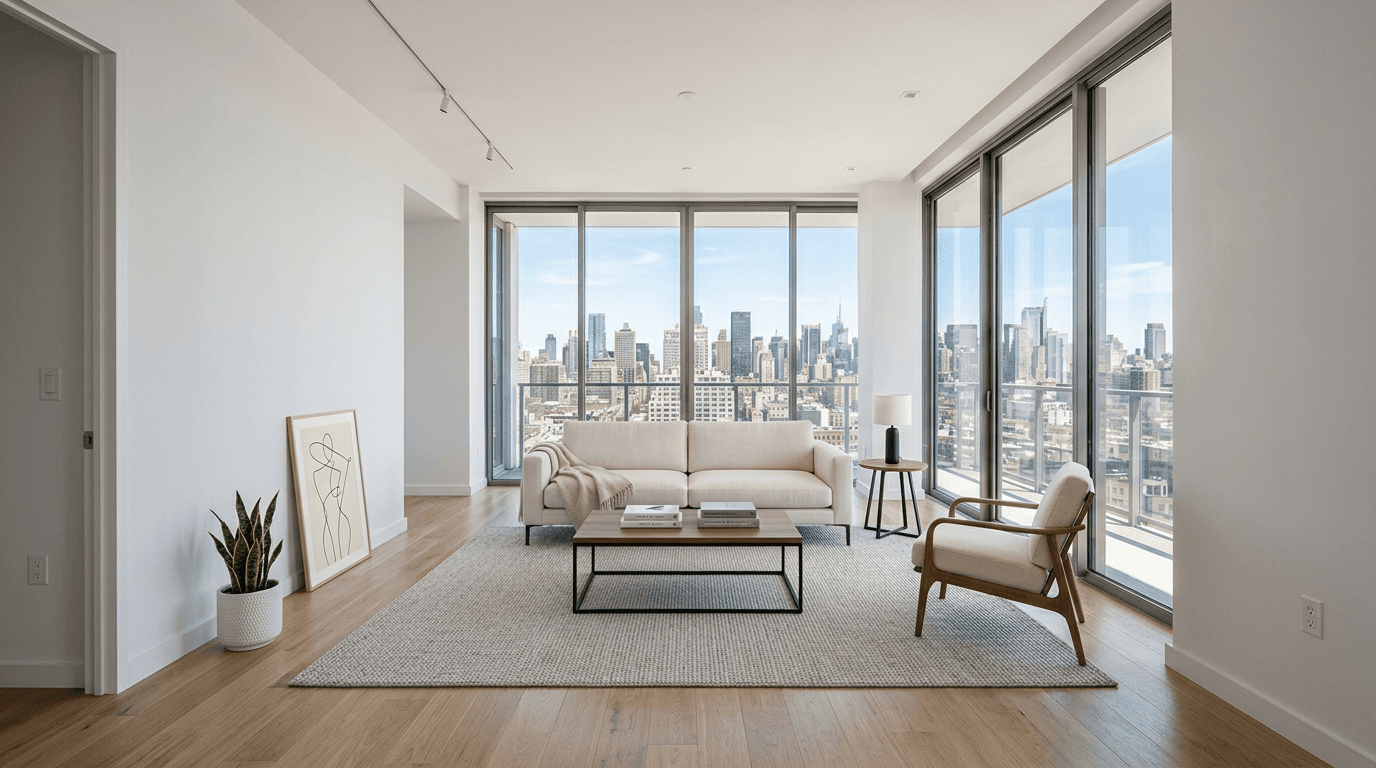
Virtual staging has become one of the most important merchandising tools for urban infill duplex sellout marketing teams because it solves the exact problems that make these projects difficult to absorb quickly: side-by-side homes often share nearly identical architecture, vacant interiors tend to photograph cold and smaller than they feel in person, and buyers in dense city neighborhoods rarely purchase square footage alone—they purchase a lifestyle narrative tied to walkability, work patterns, entertaining habits, storage efficiency, and identity. In 2026, the teams winning duplex sellouts are not simply posting clean empty-room photos and hoping buyers understand the potential; they are deliberately using virtual staging to position each side as a distinct product, even when the underlying layout is similar. That distinction matters to developers trying to protect pricing, to brokerages trying to create segmented demand, and to buyers comparing dozens of listings online in a matter of minutes. When done strategically, virtual staging helps compact rooms read with proportion, clarifies furniture scale, demonstrates livability, and creates a more persuasive digital first impression that improves click-throughs, showing volume, and buyer memory. The key is to use it as a disciplined sellout system rather than as decorative afterthought. This guide walks urban infill duplex teams through exactly how to do that.
According to recent staging metrics by the National Association of Realtors (NAR), professionally staged properties can significantly increase sales speed and perceived value, accelerating the impact for your specific niche.
Step 1: Build a positioning strategy for each duplex side before any images are staged
The most common mistake in duplex sellout marketing is treating virtual staging as a visual add-on instead of a positioning tool. For urban infill projects, especially in dense neighborhoods where duplex units are structurally similar, the real strategic opportunity is to define who each side is for before selecting a single piece of virtual furniture. That means your marketing team should begin by identifying the highest-probability buyer personas for each residence and then mapping those personas to differentiated lifestyle narratives. One side may appeal more strongly to a design-conscious professional couple who values entertaining, a polished home office, and boutique hospitality cues, while the other may be better positioned for a household prioritizing flexibility, nursery potential, wellness space, or multigenerational usability. Even if both units have nearly identical square footage, orientation, and finish packages, the story surrounding how life happens inside the home can and should diverge. This approach prevents both listings from cannibalizing each other online and gives brokers a more memorable framework for presenting each home to prospects. Your team should examine neighborhood context as part of this exercise as well: nearby parks, coffee culture, commuter access, school options, fitness studios, and restaurant density all influence the lifestyle story your staging must support. Virtual staging works best when it visually resolves buyer uncertainty. In compact urban floor plans, buyers are not just asking whether a sofa fits; they are asking whether the home fits the rhythm of their life. A clear positioning strategy answers that question before a showing ever happens and ensures every staged image reinforces price integrity, target audience alignment, and stronger absorption velocity.
Action Step
Write a one-page positioning brief for each duplex side, including target buyer persona, lifestyle theme, neighborhood tie-ins, and the emotional impression each listing should create.
Step 2: Select photo angles and room priorities that make compact urban layouts feel intentional, not small
Once the positioning strategy is established, the next step is to capture and select photography that gives virtual staging the best possible foundation. This is especially important in urban infill duplexes because compact rooms can appear cramped, awkward, or less valuable when photographed empty or from poorly chosen angles. Many teams assume staging alone will fix underperforming visuals, but even the best rendering cannot fully overcome weak source photography. Your objective should be to identify the rooms that most influence buyer perception and then shoot them in a way that clarifies scale, flow, and function. In most duplex sellouts, that means prioritizing the main living area, kitchen-to-living transitions, primary bedroom, one secondary flexible space, and any area that can support a differentiated use case such as a work-from-home nook, breakfast zone, roof access landing, or lower-level lounge. Wide-angle photography should be used carefully; excessive distortion can make furniture proportions feel unrealistic once staged and can create distrust when buyers visit in person. Instead, aim for angles that preserve vertical lines, show circulation paths, and reveal how furniture can be arranged without blocking movement. For dense neighborhood buyers who shop listings quickly on mobile devices, clarity matters more than sheer quantity of photos. Virtual staging should answer practical spatial questions immediately: where does dining happen, how does a sectional relate to the kitchen, can a second bedroom function as both office and guest space, and does the primary suite feel serene rather than tight. Choosing the right images in advance also helps your team avoid staging every room indiscriminately, which can dilute budget and strategic focus. In a strong sellout campaign, each staged image has a job: reduce ambiguity, strengthen usability, and move the buyer one step closer to scheduling a tour.
Action Step
Audit your photo set and choose the 5 to 8 highest-impact images that best show flow, scale, and flexible-use rooms before sending anything for virtual staging.
Step 3: Design distinct virtual staging concepts that separate the units without misrepresenting the product
With strong photography in place, your team can develop virtual staging concepts that intentionally distinguish one duplex side from the other while remaining truthful to the architecture, finishes, and likely buyer experience. This is where many campaigns either become generic or overstyled. Generic staging misses the chance to create differentiation, but overstyled staging can feel artificial, distract from the real property, and undermine trust once buyers arrive on site. The best approach is to create two clearly different but equally credible design narratives rooted in the actual strengths of each home. For example, one side might be staged with a refined contemporary palette featuring tailored furniture, sculptural lighting, and a dining setup that signals entertaining sophistication, while the other uses softer textures, warmer tones, and a family-flex orientation that demonstrates adaptability without looking suburban or cluttered. The distinction should show up in furniture scale, art direction, room function, and accessory styling, not just in changing pillow colors. In compact urban interiors, furniture selection is particularly important because buyers use these visuals to infer room dimensions. Pieces that are too bulky will make spaces feel constrained; pieces that are unrealistically minimal will make the staging look evasive. Your team should ensure every staged room answers a practical question while reinforcing the intended audience: where would a resident work, how would they host friends, where would they store daily items, and how would the home feel at the end of a long city day. Neighborhood context should also appear subtly in the aesthetic language. A duplex in a creative corridor may support a more design-forward editorial look, while one near transit and employment hubs may benefit from a cleaner executive-lifestyle presentation. The goal is not to fabricate identities but to reveal multiple legitimate ways these homes can succeed for different buyers, allowing each side to command attention on its own merits.
Action Step
Create two separate staging direction boards—one for each unit—with specific guidance on furniture scale, mood, room use, color palette, and target buyer lifestyle.
Step 4: Integrate staged visuals into a full digital merchandising system that drives clicks, showings, and memory
Virtual staging delivers the greatest value when it is treated as part of a complete online merchandising strategy rather than a standalone image enhancement. Urban infill duplex sellouts depend heavily on digital performance because buyers often decide within seconds whether a listing feels worth saving, sharing, or touring. That means your staged visuals need to be deployed with discipline across the listing gallery, project website, paid social campaigns, email marketing, broker outreach materials, and any offering memorandum or digital brochure used in the sales process. Start by sequencing your gallery intentionally: the first images should establish emotional appeal and functional clarity, not simply show the exterior followed by a random series of empty rooms. A compelling hero image should quickly convey the lifestyle positioning of that specific duplex side, followed by supporting interiors that prove the floor plan works for real daily living. Captions and listing copy should align with what the staging communicates, emphasizing distinct use cases such as entertaining flow, work-from-home flexibility, serene primary retreat, or guest-ready secondary space. If both sides are live simultaneously, make sure your marketing package prevents visual blending between units; each should have its own identity, message hierarchy, and audience logic. In 2026, this also means optimizing staged assets for mobile-first consumption, ad testing, and social snippets where buyers may first encounter the property. Teams should monitor which images generate stronger click-through rates, longer page engagement, and more showing requests, then refine accordingly. Staged visuals should also help brokers tell a more persuasive story during inquiries and tours, because the images create a mental model that buyers bring with them into the property. When the digital presentation, broker narrative, and in-person experience all align, the listing becomes more memorable and confidence rises. That consistency is what shortens decision cycles and supports stronger pricing in a competitive urban environment.
Action Step
Rebuild your listing and campaign asset order so staged images lead the story, with each visual tied to a specific conversion goal such as click-through, inquiry, or showing request.
Step 5: Measure performance, refine based on buyer response, and use virtual staging to protect absorption and pricing
The final step is to treat virtual staging as a measurable sales lever rather than a one-time creative decision. For duplex sellout teams, especially those balancing pricing strategy, carrying costs, and neighborhood competition, the question is not simply whether staged photos look better, but whether they improve market response in ways that support faster and more profitable absorption. Your team should establish baseline performance metrics before launch whenever possible, including listing views, save rates, inquiry volume, showing activity, days on market, and buyer feedback patterns. Once staged assets are deployed, compare how each duplex side performs and study what prospects repeatedly comment on. If one unit is receiving strong digital engagement but weaker showing conversion, the issue may be that the staging is attracting the wrong persona or overemphasizing style at the expense of functional clarity. If the second unit is being toured but not offered on, the staged imagery may not be adequately differentiating its lifestyle value relative to the companion listing. Broker feedback is essential here because agents can tell you whether buyers are responding to the work-from-home setup, questioning room dimensions, or gravitating toward one staged narrative more than the other. In some cases, refreshing one or two key images mid-campaign can materially improve momentum, particularly if a secondary bedroom, lower level, or combined living-dining space is not reading clearly online. This iterative mindset matters because urban buyers move quickly and comparison-shop intensely. By reviewing performance data and qualitative feedback in tandem, your team can sharpen the visual story, reinforce pricing logic, and reduce the risk that one side lags while the other advances. Strong sellout marketing is not static; it evolves based on evidence, and virtual staging should be one of the most adaptable tools in that process.
Action Step
Track engagement, inquiry, showing, and feedback data for each unit separately, then revise underperforming staged images based on actual buyer response.
Explore More Resources
Conclusion
For urban infill duplex sellout marketing teams, virtual staging is far more than cosmetic enhancement—it is a strategic system for distinguishing similar homes, making compact layouts feel usable and intentional, translating neighborhood lifestyle into visual form, and improving the digital merchandising that drives modern absorption. When each duplex side is positioned around a specific buyer story, photographed with scale and flow in mind, staged credibly to reflect real daily living, integrated into a conversion-focused online campaign, and continuously refined based on performance data, the result is stronger buyer engagement and better pricing support. In a market where buyers often make shortlist decisions online before ever booking a showing, disciplined virtual staging helps each residence stand on its own and gives your team a clearer path to faster, smarter sellout execution.
Ready to Stage Your First Room?
Join thousands of top real estate professionals who use AI Virtual Staging to instantly transform vacant photos into fully-furnished masterpieces in under 20 seconds.
Start Staging For FreeFrequently Asked Questions
Why is virtual staging especially valuable for duplex sellout marketing in dense urban neighborhoods?
Because duplex projects often include two highly similar residences competing for attention at the same time, virtual staging helps each side feel distinct and purpose-built for a different buyer profile. It also solves a common urban merchandising problem: vacant compact rooms can look smaller, less functional, and less emotionally appealing online. Strategic staging clarifies scale, demonstrates livability, and connects the home to the neighborhood lifestyle buyers are actually shopping for.
Can virtual staging really help differentiate two near-identical duplex units?
Yes, if it is based on positioning rather than decoration alone. The most effective campaigns define different buyer personas and lifestyle narratives for each side, then express those differences through room function, furniture scale, palette, and visual mood. This reduces listing cannibalization, gives brokers a stronger selling framework, and makes each unit more memorable during online comparison shopping.
How many rooms should an urban duplex marketing team virtually stage?
Most teams should prioritize the rooms that most directly influence buyer confidence and conversion rather than staging every room. Typically, that includes the main living area, kitchen-adjacent entertaining zone, primary bedroom, and at least one flexible secondary space such as an office-guest room or lower-level lounge. The right number depends on the floor plan, but strategic selectivity usually performs better than blanket staging.
What should marketing teams avoid when using virtual staging for new or renovated duplexes?
They should avoid misleading room proportions, overdesigned aesthetics that do not match the property, inconsistent styles between listing copy and imagery, and staging choices that fail to reflect likely urban buyer needs. Unrealistic furniture size, excessive visual clutter, or generic luxury cues can weaken trust. The best virtual staging enhances clarity and aspiration without creating a disconnect between the online impression and the in-person experience.
How do you know whether your virtual staging strategy is working?
You know it is working when measurable performance improves and buyer confusion decreases. Key indicators include stronger listing engagement, higher save and share rates, more inquiries, improved showing volume, clearer broker conversations, and better differentiation between the response to each duplex side. Buyer and agent feedback should also reveal that prospects understand how the rooms function and can imagine themselves living there more easily.
Explore More Guides
Continue building your real estate expertise.
The Step-by-Step Guide to Virtual Staging for Resort Residence Branded Condo Developers
An authoritative 2026 step-by-step guide for resort residence branded condo developers on using virtual staging to accelerate pre-sales, protect brand standards, and sell an aspirational hospitality lifestyle before completion.
The Step-by-Step Guide to Virtual Staging for Student Apartment Pre-Leasing Marketing Teams
An authoritative step-by-step guide for student apartment pre-leasing marketing teams on using virtual staging to lease beds faster before construction completion or turnover, reduce vacancy risk, reassure parents, and standardize unit presentation across floor plans in 2026.
The Step-by-Step Guide to Virtual Staging for Luxury Lakehouse Portfolio Brokerages
An authoritative 2026 step-by-step guide for luxury lakehouse portfolio brokerages on using virtual staging to overcome seasonality, elevate vacant listings, and help buyers visualize entertaining, remote work, and multigenerational living across upscale lakefront homes.
The Step-by-Step Guide to Virtual Staging for 55+ Active Adult Resale Specialists
Learn how 55+ active adult resale specialists can use virtual staging to transform personalized or outdated listings into move-in-ready, buyer-friendly marketing that attracts downsizers and drives stronger engagement in 2026.
The Step-by-Step Guide to Virtual Staging for Tiny Home Village Developers
An authoritative 2026 step-by-step guide for tiny home village developers on using virtual staging to market small-footprint homes, prove livability, showcase community lifestyle, and improve sales, leasing, and mixed-use resort-residential conversions.
The Step-by-Step Guide to Virtual Staging for Agrihood Homebuilder Marketing Teams
An authoritative step-by-step guide for agrihood homebuilder marketing teams on using virtual staging to communicate farm-centered lifestyle value, warm up vacant homes, and differentiate residential communities with agricultural amenities in 2026.