
The Step-by-Step Guide to Virtual Staging for Tenant-Occupied Duplex and Triplex Listing Specialists
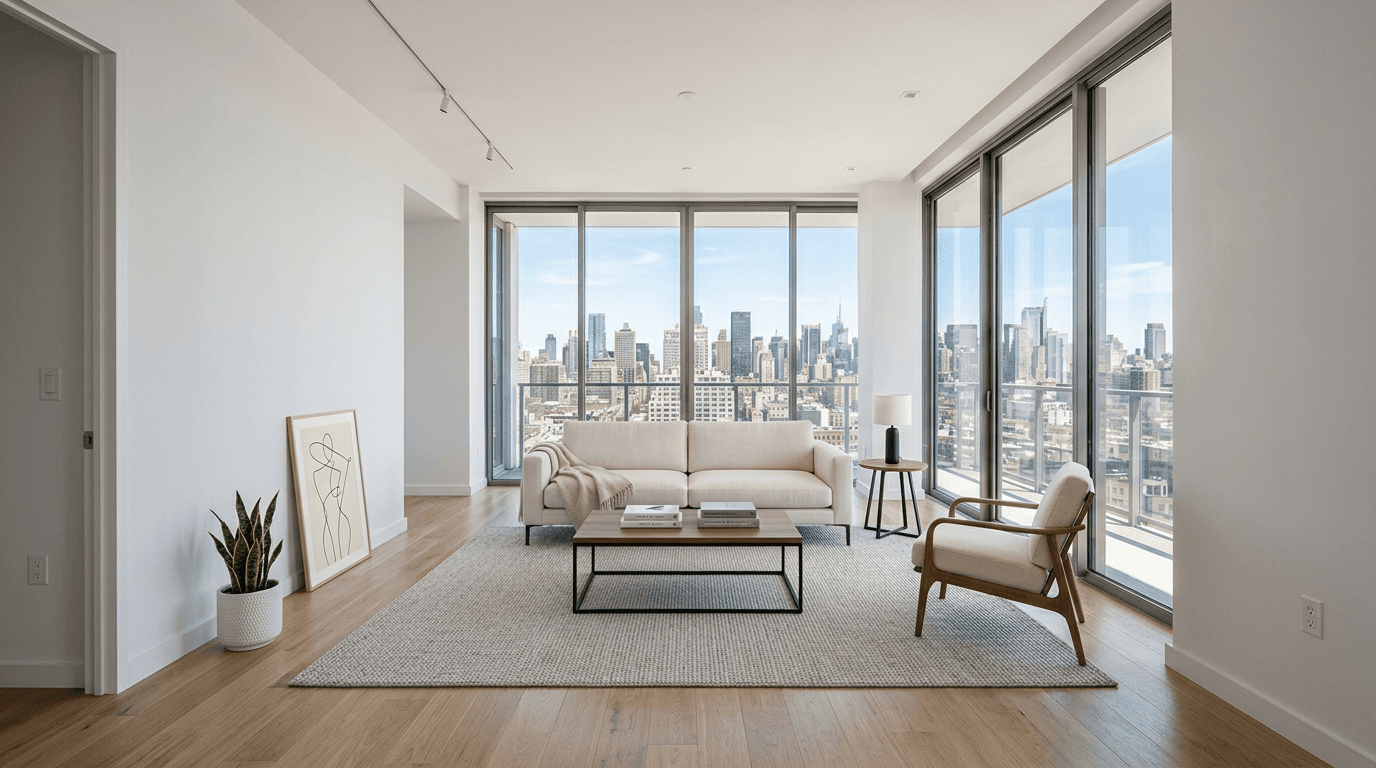
Marketing a tenant-occupied duplex or triplex in 2026 requires a different level of skill than listing a vacant single-family home, because the challenge is not simply making a property look attractive, but presenting a financially compelling, privacy-conscious asset while real people are still living inside it. Buyers evaluating small multifamily properties want immediate clarity on unit layout, condition, livability, and upside potential, yet listing agents are often forced to work around inconsistent housekeeping, restricted access, partial room visibility, tenant schedules, and legitimate privacy concerns. That combination can make even a strong income-producing property appear fragmented, dated, or difficult to understand online, which is exactly where serious investors and owner-occupants are forming their first impressions. Virtual staging, when used strategically and ethically, solves a critical part of that problem by helping agents create a cleaner visual narrative without misrepresenting the occupied reality of the asset. For duplex and triplex listing specialists, the goal is not fantasy design for luxury appeal; it is controlled visual communication that helps buyers interpret room function, compare unit layouts, and better see the path to stabilized rents, improved presentation, and stronger long-term value. This guide explains how to build that process step by step so your marketing remains compliant, persuasive, and conversion-focused.
According to recent staging metrics by the National Association of Realtors (NAR), professionally staged properties can significantly increase sales speed and perceived value, accelerating the impact for your specific niche.
Step 1: Start with a tenant-aware visual strategy before you ever order photos or staging
The biggest mistake agents make with tenant-occupied duplex and triplex listings is treating visual marketing as a last-mile task rather than a strategic planning exercise that begins before photography is scheduled. In occupied multifamily, every image must work harder because you are rarely capturing a perfectly controlled environment, and the property’s investment appeal depends on whether buyers can quickly understand each unit’s function, condition, and comparability. A tenant-aware visual strategy starts by identifying which rooms in each unit are essential to the buyer decision, which rooms are likely to photograph poorly because of clutter or furniture placement, and which areas create privacy concerns that should limit the type of imagery you produce. You also need to decide early whether your visual objective is to emphasize owner-occupant livability, investor readability, rent-growth potential, or a blend of all three, because that choice affects the staging style, shot list, and captions that support the final listing. In a duplex or triplex, buyers are not just reacting emotionally to one beautiful living room; they are analyzing repeatable layouts, deferred maintenance clues, and whether unit mix supports the asking price. That means your pre-production plan should map every unit by bedroom count, floor plan type, finish level, and occupancy status so you know where virtual staging will clarify function and where documentation must remain more literal. The strongest listing specialists create a visual hierarchy that may include one or two staged hero rooms per unit, clean unstaged documentation photos for mechanicals or utility areas, and common-area or exterior images that connect the income story to the physical experience of the property. By deciding all of this up front, you avoid random marketing choices, reduce tenant friction, and ensure that virtual staging serves the investment thesis instead of distracting from it.
Action Step
Create a unit-by-unit visual marketing plan identifying required rooms, privacy limits, likely problem areas, and the exact purpose of virtual staging for each image.
Step 2: Capture photography that respects tenant privacy while still giving stagers usable source material
Virtual staging can only elevate the quality of your listing if the underlying photography is clean, usable, and ethically obtained, which is especially important when tenants are still in place. In duplexes and triplexes, agents often face a narrow window for access, inconsistent cooperation, and interiors that contain personal items, family photos, medications, children’s belongings, religious objects, work equipment, or other details that should never become the centerpiece of public marketing. Your job is to direct the photography process in a way that minimizes tenant exposure while preserving enough architectural information for virtual staging artists to accurately interpret scale, layout, window placement, and circulation. This means using composition intentionally: shoot wider but cleaner angles, avoid close-ups of tenant possessions, remove identifying details when possible with permission, and prioritize perspectives that reveal walls, doorways, flooring, and natural light rather than personal lifestyle cues. If a room is too private or too compromised to publish as-is, consider photographing from the threshold or using alternate angles that provide spatial understanding without invading the tenant’s personal environment. It is also wise to standardize how each unit is photographed so buyers can compare layouts across the duplex or triplex more easily, especially when one unit is updated and another is more dated. Consistency helps reduce the impression that the listing is hiding weaker spaces. From a practical standpoint, you should communicate to your photographer and editing team that these are occupied income units, not vacant design showcases, so the objective is truthful clarity first and enhancement second. Well-shot source images allow virtual staging teams to add furniture, remove visual distractions where permitted, and create polished presentation without distorting the property’s bones. When this step is handled professionally, you protect tenant dignity, reduce legal and reputational risk, and still produce imagery that gives buyers enough confidence to inquire, tour, and underwrite the asset seriously.
Action Step
Brief your photographer on privacy-first occupied-unit standards and capture clean, wide, comparable source photos that reveal layout without exposing tenant identity.
Step 3: Use virtual staging to clarify layout, function, and buyer imagination—not to disguise occupied reality
For tenant-occupied duplex and triplex listings, the most effective virtual staging is not the most dramatic or luxurious version of a room, but the version that makes the space instantly understandable to the target buyer. Small multifamily buyers often struggle less with cosmetic imperfections than with ambiguity: they want to know whether a room can comfortably function as a bedroom, office, dining area, or second living zone; whether furniture placement supports normal circulation; and whether the overall unit feels rentable, practical, and competitive in its market segment. That is why your virtual staging choices should be rooted in utility and market alignment rather than aspirational design trends that have little connection to the rents, neighborhood profile, or likely tenant base. For example, a compact living room in a duplex should be staged to demonstrate proportional seating and believable traffic flow, not overloaded with oversized furniture that makes the room read larger than it is. A modest bedroom should show scale honestly so owner-occupants and investors can assess fit and rentability. In a triplex, virtual staging can be especially powerful when units have similar footprints but very different current appearances due to tenant furnishings, because it creates a consistent visual language that helps buyers compare the product rather than react emotionally to one tenant’s clutter and another’s décor. At the same time, accuracy is non-negotiable. Walls, windows, finishes, and fixed features must remain true to the actual property, and your marketing should disclose that selected images are virtually staged. Used properly, virtual staging becomes a translation tool that reveals the unit’s functional potential while preserving credibility. It helps buyers separate tenant lifestyle from underlying asset quality, and that distinction is often what allows a well-located but visually inconsistent occupied property to compete more effectively online against cleaner vacant inventory.
Action Step
Select rooms for virtual staging based on where buyers need functional clarity most, and stage them in a realistic style that matches actual unit size, finish level, and target renter profile.
Step 4: Connect virtually staged images to the financial story buyers care about most: stability, upside, and comparability
A duplex or triplex listing succeeds when the visuals and the underwriting story reinforce each other, and this is where many agents leave value on the table. Virtual staging should not exist as a cosmetic add-on disconnected from the economics of the property; it should support the buyer’s ability to understand why the asset is attractive today and where future value may come from. When one occupied unit is under-rented, another is partially updated, and a third is difficult to photograph because of tenant circumstances, buyers can easily form an incomplete or pessimistic impression unless you bridge the gap between what they see and what the property can become. Your listing presentation should use staged images alongside intelligent copy, floor plan context where available, and income commentary that helps buyers interpret each unit’s leasing and renovation position. If the property includes a clean two-bedroom unit with a layout that could command stronger market rent after minor improvements, virtual staging can help demonstrate how the living and dining areas function for a typical tenant profile, making your rent-growth argument more concrete. If another unit is owner-occupant friendly, staged visuals can help a house-hacker envision moving in without requiring the current tenant’s lifestyle to carry that emotional burden. The key is to avoid unsupported promises. Do not imply finishes, vacancy, or rent levels that are not grounded in reality. Instead, use virtual staging to make the existing space legible, then pair it with transparent remarks about current leases, unit condition, and possible value-add pathways. In 2026, sophisticated buyers expect cleaner marketing, but they also expect credibility. Agents who link visual clarity to operational understanding consistently attract better-qualified inquiries because they make the decision process easier for both investors and live-in buyers. The result is stronger engagement, more purposeful showings, and fewer conversations wasted on buyers who misunderstood the asset from the start.
Action Step
Pair every virtually staged image with listing copy and property data that explains how layout, occupancy, and condition relate to current income and realistic upside.
Step 5: Disclose clearly, manage expectations in showings, and use staged marketing to qualify better buyers
The final and most important step is operational discipline after the images are published, because the success of virtual staging in an occupied duplex or triplex depends on whether the buyer experience remains consistent from first click to in-person tour. Disclosure is essential. If an image is virtually staged, say so plainly in the listing, image captions, marketing brochure, and any agent-facing remarks where appropriate. This is not merely a compliance habit; it is a trust-building strategy that protects your credibility with buyers, cooperating agents, tenants, and sellers. Once buyers engage, your responsibility is to frame what they are going to see in person. Occupied units may look different at showing time than they do in polished marketing, and sophisticated listing specialists prepare for that by explaining that staged images are intended to illustrate layout and furnishing potential, not erase the fact that real tenants currently live in the property. That framing helps avoid disappointment and keeps attention on dimensions, flow, natural light, and lease structure rather than day-of showing variables. It is also smart to use virtually staged marketing as a qualification filter. Buyers who respond positively to a well-presented, honestly disclosed listing are more likely to understand the realities of tenant-occupied multifamily than those expecting vacant, model-home conditions. You can reinforce this by circulating a concise pre-showing summary that includes occupancy status, access limitations, lease terms, and notes about which photos were enhanced. In practice, this reduces friction, improves tenant cooperation because expectations are better managed, and gives your seller confidence that marketing is helping rather than creating avoidable conflict. When properly disclosed and operationalized, virtual staging does more than beautify a listing; it creates a more efficient transaction environment where serious buyers arrive informed, respectful, and ready to evaluate the property on its true merits.
Action Step
Add clear virtual staging disclosures everywhere buyers will see them and prepare a pre-showing expectation guide so tours align with the reality of occupied units.
Explore More Resources
Conclusion
Virtual staging is one of the most effective tools available to tenant-occupied duplex and triplex listing specialists, but its real power comes from strategy, not decoration. When you begin with a tenant-aware visual plan, capture privacy-conscious source photography, stage rooms to clarify true function, connect imagery to the property’s income narrative, and disclose everything with precision, you transform a difficult occupied listing into a coherent investment story. In a market where buyers increasingly make fast judgments online, that clarity matters. It helps owner-occupants see how they could live in one unit, helps investors compare layout efficiency and rental appeal, and helps sellers maximize interest despite the inevitable limitations of tenants in place. The agents who master this process in 2026 will not simply produce prettier listings; they will create more trustworthy, better-performing multifamily marketing that attracts stronger buyers and supports smoother transactions.
Ready to Stage Your First Room?
Join thousands of top real estate professionals who use AI Virtual Staging to instantly transform vacant photos into fully-furnished masterpieces in under 20 seconds.
Start Staging For FreeFrequently Asked Questions
Is virtual staging appropriate for tenant-occupied duplexes and triplexes, or does it create too much risk?
It is absolutely appropriate when used transparently and accurately. The purpose is to help buyers interpret layout, scale, and furnishing potential in units that may be difficult to present consistently because tenants are still living there. Risk arises only when agents use virtual staging to misrepresent fixed features, hide material defects, or fail to disclose that an image has been enhanced.
Which rooms should be virtually staged in a small multifamily listing?
Focus on the rooms that most directly affect buyer understanding and leasing appeal, usually living rooms, primary bedrooms, dining areas, and occasionally flexible spaces that are hard to interpret. Kitchens, bathrooms, utility areas, and exteriors generally benefit more from clean, truthful presentation than heavy staging, especially when buyers need to assess actual condition.
How do I protect tenant privacy while still creating strong marketing images?
Use wide architectural angles, avoid close-ups of personal belongings, remove identifying details when possible with permission, and skip or limit rooms that expose sensitive information. Coordinate in advance with tenants, photographers, and editors so everyone understands that privacy and professionalism come before decorative impact.
Should virtually staged photos be used to support rent-growth claims?
They can support the narrative, but they should never be the sole basis for projected rent increases. Virtual staging can help buyers see how a unit functions and how presentation could improve marketability, but any rent-growth discussion should be grounded in local comps, actual unit condition, lease terms, and realistic operational assumptions.
How should I disclose virtual staging in 2026 listings?
Disclose it clearly anywhere the image appears or is distributed, including MLS remarks where permitted, image captions, brochures, property websites, and email marketing. The disclosure should make it obvious that furnishings or styling were added digitally and that the image is intended to illustrate potential use of space rather than depict the unit exactly as shown in person.
Explore More Guides
Continue building your real estate expertise.
The Step-by-Step Guide to Virtual Staging for Golf Course Community Home Builders
Learn how golf course community home builders can use virtual staging to market spec homes and inventory models more effectively, connect with retirees and affluent buyers, and increase conversions in 2026.
The Step-by-Step Guide to Virtual Staging for Urban Micro-Apartment Developers
An authoritative 2026 step-by-step guide for urban micro-apartment developers on using virtual staging to market compact rentals, prove livability, highlight storage, and increase leasing confidence without misleading prospects.
The Step-by-Step Guide to Virtual Staging for Dental Practice Brokers
An authoritative 2026 step-by-step guide for dental practice brokers on using virtual staging to modernize dated operator-owned offices, improve buyer perception, and market treatment rooms, reception areas, and leasehold opportunities ethically and effectively.
The Step-by-Step Guide to Virtual Staging for Mobile Home Park Investors
An authoritative 2026 step-by-step guide for mobile home park investors on using virtual staging to improve listings, lease and sell homes faster, reduce vacancy drag, and create low-cost marketing assets across manufactured housing communities.
The Step-by-Step Guide to Virtual Staging for Urban Loft Condo Conversion Developers
An authoritative 2026 step-by-step guide for urban loft condo conversion developers using virtual staging to market adaptive reuse units, overcome irregular layouts, showcase industrial character, and accelerate downtown condo sales.
The Step-by-Step Guide to Virtual Staging for Manufactured Home Community Sales Teams
An authoritative 2026 step-by-step guide for manufactured home community sales teams using virtual staging to market homes and vacant pads at scale, improve listing quality, reduce buyer hesitation, and support faster community sales.