
The Step-by-Step Guide to Virtual Staging for Furnished Executive Rental Operators
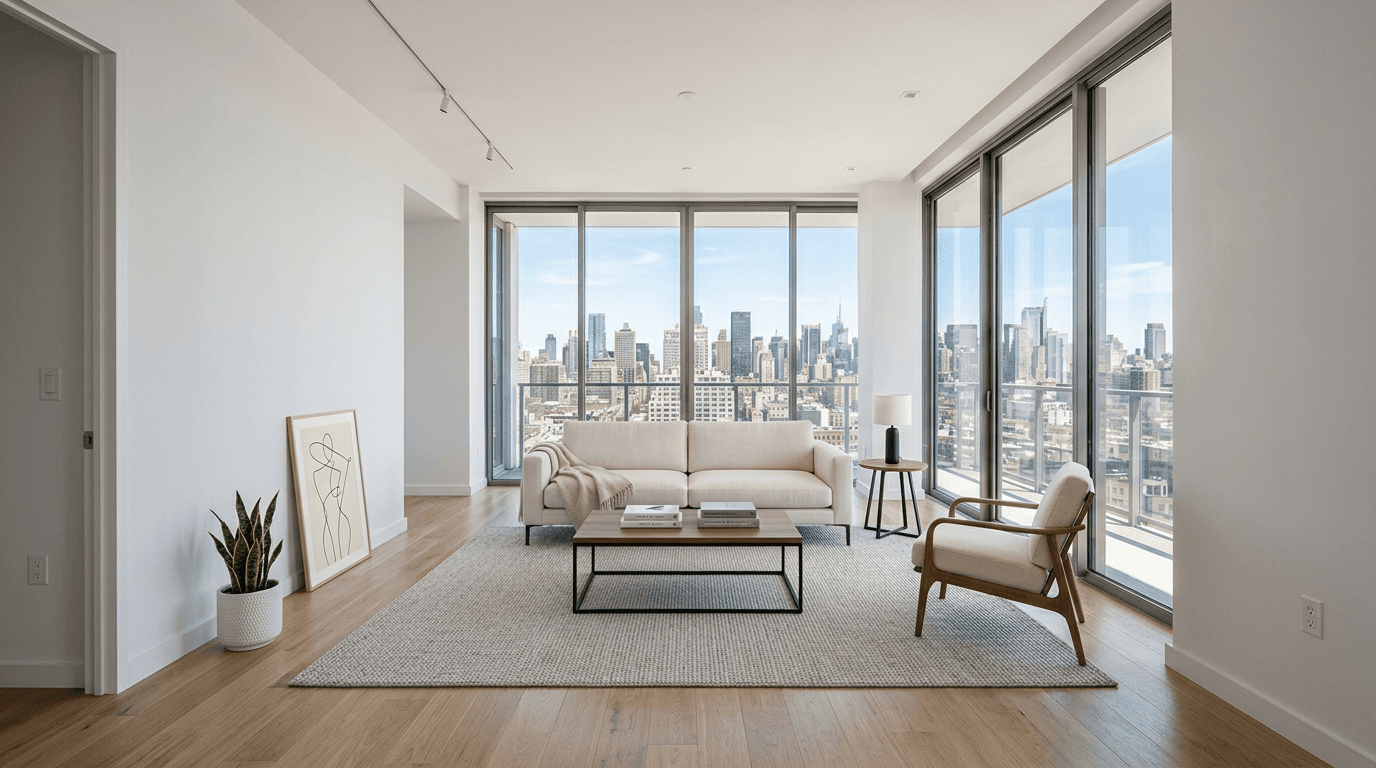
For furnished executive rental operators, virtual staging is no longer a cosmetic add-on; it is a revenue protection tool that directly affects perceived asset quality, listing consistency, and rate confidence across a fast-moving portfolio. When your inventory turns frequently, when one unit photographs beautifully and the next looks flat or dated, and when your prospects are discerning traveling professionals, relocation clients, consultants, and project teams comparing dozens of options online, imagery becomes the first screening mechanism for whether your property feels worth a premium monthly rate. In 2026, operators who rely on uneven smartphone photos, stale staging styles, or mismatched unit presentation are silently discounting themselves before a lead ever inquires. The smartest operators use virtual staging to standardize visual quality, clarify how each space lives, and create a polished brand across units without physically remerchandising every turnover. Done correctly, virtual staging helps you present furnished inventory more consistently, reduce visual friction in vacant or partially reset units, and communicate comfort, functionality, and executive-grade quality in a way that aligns with premium pricing. This guide breaks the process into a practical five-step system built specifically for furnished executive rentals, so you can stage with precision, market faster, and convert better-qualified prospects.
According to recent staging metrics by the National Association of Realtors (NAR), professionally staged properties can significantly increase sales speed and perceived value, accelerating the impact for your specific niche.
Step 1: Build a portfolio-wide visual strategy before you stage a single image
The biggest mistake furnished executive rental operators make with virtual staging is treating it as an isolated design task rather than a portfolio-level marketing system. If each unit is staged according to whatever looks attractive in the moment, your listings may appear individually acceptable but collectively inconsistent, which weakens brand trust and makes premium pricing harder to defend. Before ordering any virtual staging, you need a clear visual framework that reflects the expectations of traveling professionals and executive renters: clean lines, functional layouts, neutral sophistication, work-from-anywhere usability, and understated upscale comfort. This means defining what your ideal resident should feel when viewing your listings online. For executive rentals, the answer is rarely flashy luxury; it is confidence, calm, efficiency, and polish. Establish a standardized style guide that covers preferred furniture profiles, color palette, artwork direction, bedding presentation, workspace visibility, lighting mood, and the balance between warmth and professionalism. You should also segment your inventory into categories such as urban corporate apartment, suburban family executive stay, and project-team housing, because virtual staging should reinforce the use case of each asset rather than apply a generic look everywhere. By creating a visual strategy first, you solve one of the most common operator pain points: listing quality inconsistency across units. Instead of marketing each turnover from scratch, you create repeatable staging rules that make every listing feel related, credible, and rate-worthy. This strategic consistency is what allows prospects to recognize your brand as reliable, whether they are booking a one-bedroom for a consultant or a larger unit for a relocating executive household.
Action Step
Create a written virtual staging style guide for your portfolio, including target renter profiles, approved design aesthetics, color palettes, room priorities, and category-specific staging rules.
Step 2: Capture base photography that supports premium virtual staging results
Virtual staging can elevate a listing dramatically, but it cannot fully rescue poor source photography, and this is where many executive rental operators unintentionally undermine their own marketing. If the original images are dim, distorted, cluttered, poorly angled, or taken before turnover prep is complete, even the best staging editor will struggle to produce imagery that feels credible and premium. For furnished executive rentals, your goal is not simply to show the room; it is to communicate spatial logic, cleanliness, readiness, and the subtle lifestyle cues that justify a higher monthly rate. That begins with disciplined base photography standards. Photograph after housekeeping, maintenance touch-ups, and basic setup are complete, even if the room is being minimally reset for digital enhancement. Use angles that show how the space functions for work, rest, dining, and storage rather than relying on decorative close-ups that leave prospects guessing. Prioritize natural light while supplementing to avoid dark corners, and ensure vertical lines are straight so the final staged image looks architecturally trustworthy. In executive housing, trust matters because your renter is often making a decision remotely, sometimes from another city or country, on a compressed timeline. They need to believe the listing is professionally operated. You should also deliberately identify which rooms benefit most from staging intervention: living rooms that feel empty, bedrooms that look sparse, home office nooks that need purpose, and dining areas that fail to read as functional. At the same time, avoid over-reliance on staging for areas where reality matters most, such as kitchens, bathrooms, building amenities, and exterior views. High-quality base photography ensures your virtual staging looks like an honest enhancement rather than a digital disguise, and that distinction is essential when serving premium renters who expect a polished but accurate representation of what they will actually receive.
Action Step
Standardize a photo capture checklist for every turnover that covers cleaning, lighting, camera angles, room sequence, and which spaces should or should not be virtually staged.
Step 3: Stage for executive-renter decision-making, not generic aesthetic appeal
Effective virtual staging for furnished executive rentals is not about making rooms look pretty in the abstract; it is about helping your specific renter immediately understand how the home will support their temporary lifestyle. Traveling professionals, project teams, and executives are not browsing with the same priorities as traditional long-term unfurnished renters. They are evaluating convenience, comfort, professionalism, productivity, and ease of occupancy. Your virtual staging therefore needs to answer practical questions visually: Where will I work? Does this bedroom feel restorative after a long day? Can I host a colleague for a casual meal? Does this living space feel elevated enough to reflect my company’s standards or my personal expectations? A generic luxury look with oversized decorative pieces and unrealistic layouts often backfires because it sacrifices function for drama. Instead, use staging choices that clarify use. Show a refined but believable workspace with a proper desk setup where relevant. Use scaled furniture that reinforces spaciousness without creating false expectations. In bedrooms, emphasize hotel-quality calm through layered bedding, symmetry, and uncluttered surfaces. In living areas, create seating arrangements that suggest both relaxation and informal conversation, which matters for guests who may occasionally host clients, teammates, or visiting family. If the unit targets relocation stays, stage flexibility and comfort; if it targets solo consultants, emphasize efficiency and polished simplicity. The key is to visually align the room with the renter’s use case while preserving authenticity to the unit’s dimensions and actual furnishing quality. This approach also helps justify premium rates because prospects do not merely see a nicer-looking room; they see a smoother, more executive-ready living experience. In 2026’s competitive rental landscape, that distinction drives stronger inquiries and better-fit bookings.
Action Step
Review your target guest profiles and redesign your staging briefs so every virtually staged room communicates a specific executive-renter use case such as remote work, recharge, dining, or hosting.
Step 4: Use virtual staging to standardize premium positioning across every listing channel
Once your imagery is staged well, the next step is ensuring it performs consistently across every place your inventory appears, because premium positioning is not created by images alone but by the disciplined way those images are deployed. Furnished executive rental operators often market across direct websites, corporate housing networks, furnished rental platforms, brokerage relationships, and relocation channels, yet they frequently use different image sets, different image orders, and inconsistent visual messaging from one platform to another. That fragmentation weakens conversion because prospects encounter different versions of the same asset and may question professionalism, quality control, or even listing accuracy. Virtual staging becomes significantly more powerful when you use it to establish a repeatable listing structure. Your lead image should immediately communicate the strongest lifestyle value of the unit, usually a polished living space or a highly functional combined living-work environment. Supporting images should then move in a logical sequence that reduces uncertainty: bedroom, kitchen, workspace, dining area, bathroom, building features, and neighborhood context where relevant. Label and disclose virtually staged images clearly according to platform rules and best practices, not only for compliance but because transparent operators earn more trust. Pair those images with listing copy that reinforces the same promise the visuals make, such as executive-ready comfort, turnkey arrival, productivity-friendly design, and professionally managed consistency. This is especially important if your portfolio includes units with similar layouts but variable in-unit decor, because virtual staging can help harmonize presentation and prevent one weaker set of photos from dragging down perceived quality across the brand. Standardization across channels also improves internal efficiency: your team can launch listings faster after turns, maintain tighter quality control, and reduce the constant reinvention that creates bottlenecks during busy leasing periods. Ultimately, premium imagery only justifies premium rates when it is presented as part of a coherent, brand-level marketing system.
Action Step
Create a cross-platform listing template that standardizes image order, disclosure language, visual messaging, and staging usage for every unit you market.
Step 5: Measure whether virtual staging is improving pricing power, speed, and lead quality
Virtual staging should be managed as an operational investment, not an aesthetic experiment, which means the final step is building a measurement process that tells you whether your new imagery is actually improving business outcomes. For furnished executive rental operators, success is not just more clicks; it is stronger pricing confidence, shorter marketing lag between turns, better-qualified inquiries, and fewer conversations wasted on prospects whose expectations do not match the product. Start by benchmarking the metrics that matter most before and after implementing staged imagery. Track inquiry volume, listing engagement, days to secure a booking, average achieved monthly rate, discount frequency, and the quality of inbound questions. If your imagery is working, you should see prospects asking fewer basic clarification questions about layout and livability and more intent-driven questions about availability, terms, parking, housekeeping, pet policy, or neighborhood fit. You should also compare performance by unit type and market segment, because virtual staging may have an outsized impact on certain categories, such as vacant resets, dated-but-well-located units, or properties with awkward layouts that benefit from clearer visual storytelling. In addition, monitor post-booking satisfaction signals to ensure your images remain truthful and aligned with the actual guest experience. If staged photos create unrealistic expectations, refunds, complaints, and trust erosion can wipe out any short-term conversion gains. The most sophisticated operators in 2026 use A/B testing where possible, rotate primary images strategically, and refine staging briefs based on what converts best among executive audiences. Over time, this turns virtual staging from a one-off creative service into a measurable asset in your revenue management and leasing workflow. When you can prove that better visual presentation supports faster occupancy and firmer rates, virtual staging stops being optional and becomes part of your operating model.
Action Step
Set up a monthly dashboard comparing virtually staged listings to prior performance on inquiry quality, booking speed, achieved rate, and discounting so you can optimize based on results.
Explore More Resources
Conclusion
For furnished executive rental operators, virtual staging is most effective when it is treated as a strategic operating system rather than a decorative afterthought. The operators who win with it in 2026 are the ones who define a consistent brand standard, capture high-quality source photography, stage around executive-renter needs, deploy images systematically across channels, and measure whether presentation is strengthening rates and reducing marketing friction. In a category where prospects often book remotely and make fast judgments based on online visuals, polished and consistent imagery has direct influence over trust, perceived quality, and willingness to pay a premium. By following this five-step process, you can turn frequent inventory turns and inconsistent listing quality from liabilities into a competitive advantage, presenting every unit with the clarity, sophistication, and professionalism that premium month-to-month renters expect.
Ready to Stage Your First Room?
Join thousands of top real estate professionals who use AI Virtual Staging to instantly transform vacant photos into fully-furnished masterpieces in under 20 seconds.
Start Staging For FreeFrequently Asked Questions
Is virtual staging appropriate if my executive rental is already furnished?
Yes. For furnished executive rentals, virtual staging is often used to improve presentation consistency, refresh dated styling, clarify room function, or market a unit during a turnover window when it is not fully reset. It can help your listing look more polished without requiring a full physical redesign every time inventory turns.
Should I disclose that images are virtually staged?
Absolutely. Clear disclosure builds trust, supports platform compliance, and reduces the risk of misleading premium renters who are booking remotely. The goal of virtual staging is to enhance understanding and presentation, not to conceal the true condition or layout of the property.
Which rooms should executive rental operators prioritize for virtual staging?
Start with the rooms that influence booking decisions most strongly: the living room, primary bedroom, dining area, and any workspace or office nook. These spaces communicate comfort, functionality, and executive readiness. Kitchens, bathrooms, views, and amenities are usually better shown as accurately as possible with minimal enhancement.
Can virtual staging help justify higher monthly rates?
Yes, when used ethically and strategically. Virtual staging can improve perceived professionalism, make spatial function clearer, and align your listing with executive expectations, all of which support premium pricing. However, it works best when the actual in-person experience matches the quality and usability suggested by the photos.
How often should I update virtual staging styles across my portfolio?
Review your visual standards at least annually, and sooner if market preferences shift, your renter profile changes, or your brand positioning evolves. In executive rentals, subtle updates tend to outperform dramatic redesigns, because the most effective style is one that feels current, refined, and broadly appealing to professional renters.
Explore More Guides
Continue building your real estate expertise.
The Step-by-Step Guide to Virtual Staging for Build-to-Rent Community Developers
An authoritative step-by-step guide for build-to-rent community developers on using virtual staging to market single-family rental neighborhoods before completion, differentiate home plans, accelerate lease-up, and showcase a lifestyle-driven resident experience in 2026.
The Step-by-Step Guide to Virtual Staging for Church Property Redevelopment Consultants
An authoritative 2026 step-by-step guide for church property redevelopment consultants on using virtual staging to visualize adaptive reuse, build stakeholder support, attract investors, and strengthen approvals for housing, school, office, and mixed-use conversions.
The Step-by-Step Guide to Virtual Staging for Senior Move Management Companies
Learn how senior move management companies can use virtual staging to transform dated, overfurnished homes into safer, cleaner, more marketable listings in 2026. This guide covers planning, photography, compliance, family communication, and listing optimization.
The Step-by-Step Guide to Virtual Staging for Luxury High-Rise Condo Listing Agents
An authoritative 2026 step-by-step guide for luxury high-rise condo listing agents on using virtual staging to elevate vacant units, attract premium buyers, justify higher commissions, and market urban high-rise listings with polished, conversion-focused visuals.
The Step-by-Step Guide to Virtual Staging for Golf Course Community Home Builders
Learn how golf course community home builders can use virtual staging to market spec homes and inventory models more effectively, connect with retirees and affluent buyers, and increase conversions in 2026.
The Step-by-Step Guide to Virtual Staging for Urban Micro-Apartment Developers
An authoritative 2026 step-by-step guide for urban micro-apartment developers on using virtual staging to market compact rentals, prove livability, highlight storage, and increase leasing confidence without misleading prospects.