
The Step-by-Step Guide to Virtual Staging for Small-Format Boutique Apartment Developers
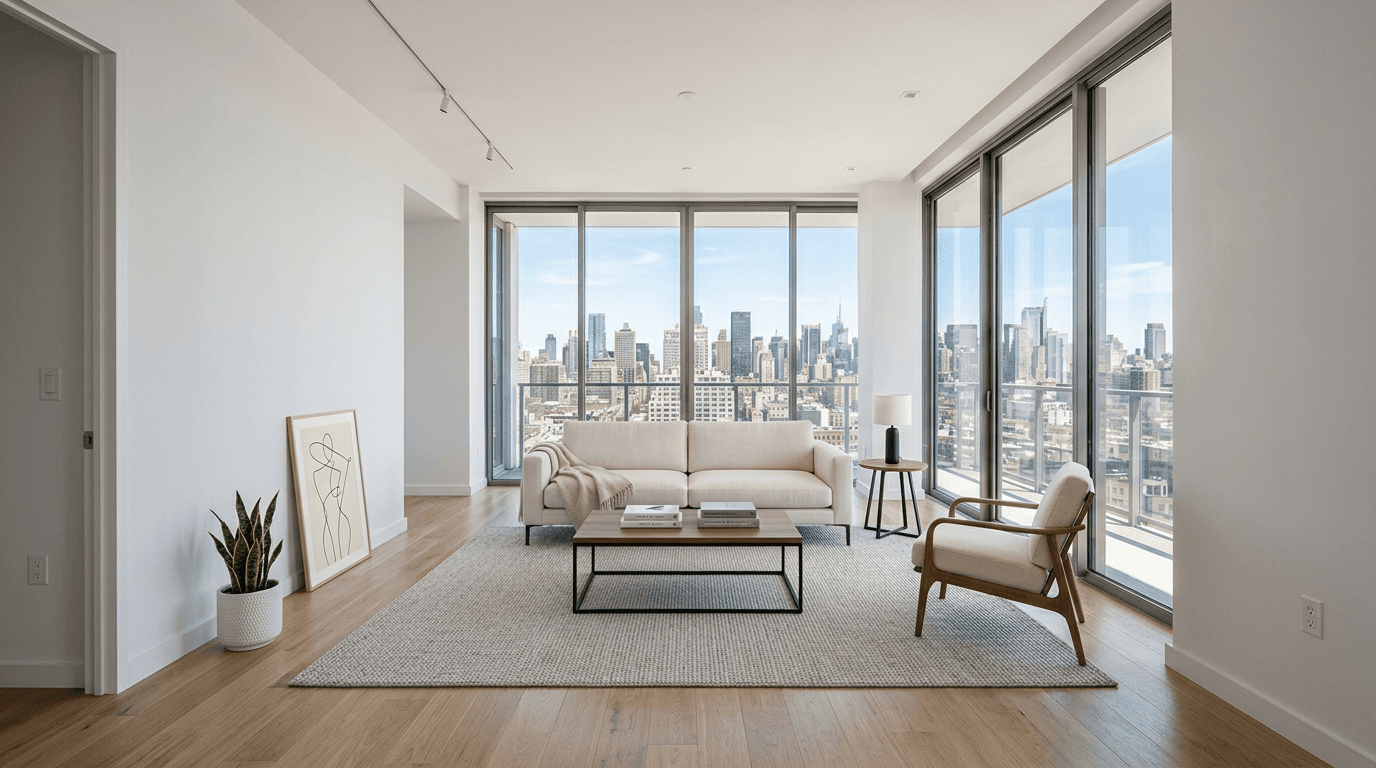
For small-format boutique apartment developers, virtual staging is no longer a cosmetic marketing extra; in 2026, it is a practical lease-up tool that directly affects absorption speed, perceived rent value, and the consistency of your brand presentation across a limited number of units. When you are launching an 8- to 40-unit building, every unit matters more than it does in a large institutional project, because one poorly marketed layout can distort demand patterns, prolong vacancy, and force concessions that ripple across the entire pro forma. The challenge is that boutique teams rarely have a full in-house creative department, model units can be expensive or logistically impossible to maintain, and compact studios, one-bedrooms, and micro-lobbies often look smaller, colder, and less differentiated when photographed vacant. Virtual staging solves these problems when it is executed strategically rather than decoratively. The goal is not simply to make a room look furnished; it is to help prospects immediately understand scale, lifestyle, circulation, storage potential, and design intent, while giving your leasing team premium assets that feel far more polished than the budget required to create them. This guide explains exactly how boutique apartment developers can use virtual staging step by step to turn empty spaces into persuasive lease-up marketing that converts faster and protects pricing power.
According to recent staging metrics by the National Association of Realtors (NAR), professionally staged properties can significantly increase sales speed and perceived value, accelerating the impact for your specific niche.
Step 1: Define the leasing objective for each unit type before ordering a single staged image
The biggest mistake small-format boutique apartment developers make with virtual staging is treating it as a generic visual upgrade instead of a conversion tool tied to specific leasing objectives. Before you send photos to a staging provider, you need to determine exactly what each image must accomplish for your building, because a 12-unit boutique property does not have enough inventory to absorb marketing ambiguity. Start by organizing your units into meaningful leasing categories rather than simply listing floor plans by square footage. Ask which layouts are likely to lease instantly, which may need help communicating functionality, and which spaces are vulnerable to hesitation because they appear narrow, dark, or unusually configured when empty. A compact studio may need staging that clarifies sleeping, dining, and work-from-home zones without making the room feel crowded. A one-bedroom with a small entry may need furniture placement that demonstrates smooth circulation. A micro-lobby may need styling that makes the arrival experience feel curated and design-led rather than undersized. This planning stage is also where you align visuals with your renter profile, whether that is urban professionals, design-conscious downsizers, graduate students, or renters seeking a hospitality-inspired experience. The furniture style, scale, palette, and accessories should reinforce the story your brand is trying to tell about the building. If your project competes on boutique design and neighborhood character, your staging cannot look like mass-market suburban inventory photography. By defining the purpose of each image in advance, you ensure that virtual staging becomes a disciplined extension of leasing strategy, not a disconnected creative exercise. This clarity also saves money because you only stage the rooms and angles that move decisions, rather than paying for visual treatments that look attractive but do little to increase inquiry quality or tour conversion.
Action Step
Map every floor plan and common area to a specific leasing goal, target renter profile, and visual problem that virtual staging must solve before commissioning any images.
Step 2: Capture photography and source files that make compact spaces feel truthful, bright, and premium
Virtual staging is only as strong as the underlying visual material, and for boutique apartment developers working with compact layouts, image capture quality has an outsized impact on leasing performance. If the base photography is dark, distorted, poorly composed, or shot from angles that exaggerate awkwardness, even excellent staging will struggle to create persuasive marketing. Your objective is not merely to document the unit; it is to create a technically clean canvas that lets staged furniture demonstrate proportion, usability, and natural light in a believable way. Begin by selecting representative units with the best finishes, cleanest punch-list condition, and strongest daylight exposure for each key layout. Ensure every room is spotless, all labels and construction remnants are removed, lighting temperature is consistent, and window views are controlled as much as possible. Use a professional real estate or architectural photographer who understands vertical line correction, lens discipline, and how to photograph smaller footprints without making them appear warped. In compact apartments, bad wide-angle decisions can make cabinets bow, walls lean, and furniture later appear artificially miniaturized once staged. You should also capture multiple angles per room, detail shots of premium finishes, and at least one perspective that clearly shows how adjacent spaces connect, because prospects often hesitate when they cannot mentally understand flow. In addition to still photography, maintain organized floor plans, finish schedules, and if available, elevation references for the staging team so that furniture style and scale can be matched appropriately to the architecture. The more accurate your source package is, the more the final staged images will feel trustworthy rather than manipulated. For boutique developers without large budgets, this is where discipline matters most: one strong shoot with reusable assets across website pages, listing syndication, brochures, email campaigns, and social media will outperform a cheaper but flawed image set that undermines your premium positioning and forces your leasing team to explain away visual inconsistencies during tours.
Action Step
Hire a professional photographer to capture clean, well-lit, accurately proportioned images of your most representative unit types and shared spaces, then organize floor plans and finish references for staging.
Step 3: Direct the virtual staging to showcase function, scale, and renter lifestyle instead of decorative excess
Once you have quality source imagery, the next step is giving precise staging direction so the final visuals answer the prospect’s unspoken question: how would I actually live here? This is especially important for boutique apartment buildings with efficient floor plans, because vacant rooms tend to trigger doubt about whether furniture will fit, where daily activities happen, and whether the space will feel stylish or compromised once occupied. Effective virtual staging for these properties is therefore not about filling rooms with trendy objects; it is about using restrained, intelligently scaled furniture to prove usability while preserving spaciousness. In a studio, for example, staging should define sleeping, lounging, dining, and work zones clearly enough to reduce uncertainty, but not so aggressively that the room appears overloaded. In a narrow living area, furniture should emphasize circulation and create visual depth. In a small bedroom, bed size, nightstand proportions, and negative space must all be calibrated so the room reads as realistic and comfortable. The same principle applies to common areas: a compact lobby should be staged to communicate boutique hospitality, waiting comfort, and design intentionality without pretending it is a grand amenity space. Developers should provide explicit creative briefs covering target demographic, preferred interior style, acceptable color palette, furniture scale, and non-negotiable architectural features to highlight, such as oversized windows, built-in millwork, high ceilings, premium flooring, or neighborhood views. You should also request realism standards, including believable shadows, reflections, rug placement, furniture spacing, and consistency with room dimensions, because sophisticated renters can quickly detect visual fakery. In 2026, audiences are more visually literate than ever, and overly glamorous or obviously artificial staging can reduce trust rather than build excitement. The strongest staged image is one that helps a prospect imagine themselves in the apartment while reinforcing your project’s positioning as well-designed, livable, and worth the asking rent.
Action Step
Create a detailed staging brief for each room that specifies target renter, furniture scale, style direction, and the functional story the image must communicate.
Step 4: Deploy staged visuals across every lease-up touchpoint with message consistency and unit-level precision
Virtual staging delivers its full value only when it is integrated across the entire lease-up funnel, because the image that first captures attention must also support the prospect’s next questions as they move from discovery to inquiry to tour to application. For small-format boutique apartment developers, this matters even more than it does for large operators, since every marketing touchpoint has to work harder and there are fewer units to average out weak conversion. Start with your property website, where staged imagery should be tied directly to floor plans, pricing context, unit availability, and descriptive copy that explains what makes each layout desirable. A beautifully staged image without adjacent information about dimensions, storage, natural light, or ideal use case leaves too much interpretive work to the renter. On listing portals, use your strongest staged hero images to stop the scroll, but ensure the image sequence also includes unstaged or lightly enhanced reality-based shots when possible so expectations remain credible. For email campaigns and paid social, segment your creative by audience and unit type rather than recycling one generic building image, because a prospect considering a studio responds differently than one considering a junior one-bedroom or premium corner layout. Leasing agents should also use staged visuals in follow-up emails after tours, especially when prospects visited an occupied, unfinished, or alternate unit that did not perfectly represent the available home. Internally, your team should maintain a simple asset library labeled by floor plan, room type, and campaign use so nobody accidentally markets the wrong layout or mismatches finishes. The most effective boutique developers treat virtual staging as a coordinated communication system: website imagery, brochures, digital ads, listing syndication, social posts, QR-enabled signage, and tour follow-up all reinforce the same visual story about quality, functionality, and lifestyle. This consistency builds trust, shortens decision time, and helps a small team appear far more operationally sophisticated than its headcount suggests.
Action Step
Publish your staged images in a structured asset system and use them consistently across your website, listings, ads, brochures, and leasing follow-up by floor plan and audience segment.
Step 5: Measure leasing impact, refine underperforming visuals, and build a repeatable staging playbook for future projects
The final step is what separates a one-off marketing upgrade from a scalable competitive advantage: measuring what your virtual staging actually changes and using that data to improve results over time. Boutique apartment developers often operate with lean teams, which makes it tempting to treat staged images as finished creative once they are uploaded. However, the smartest operators review virtual staging the same way they review pricing strategy, traffic sources, and conversion metrics. Begin by identifying a few practical performance indicators that your team can realistically track, such as click-through rate on listing portals, website engagement by floor plan page, inquiry volume by unit type, tour-to-application conversion, days-on-market by layout, and whether certain units require more concessions despite similar finishes. If one floor plan receives plenty of traffic but weak inquiry quality, the issue may be that the staging is attractive but unclear about function. If prospects tour a compact unit and say it felt smaller than expected, your staged visuals may be overselling scale and creating mismatch. If a premium one-bedroom commands stronger conversion after a revised staged living room image, that is evidence that visual framing is influencing perceived value. Over time, document these lessons in a repeatable internal playbook: which camera angles performed best, what staging styles matched your renter profile, which common areas deserved investment, and how many hero images each layout truly needed. This record is invaluable for future phases, new developments, and investor reporting because it turns creative decisions into an operational system. In a market where boutique developers must compete with larger properties that have bigger budgets and deeper teams, disciplined optimization is how you protect margins and create a polished lease-up machine that looks far more expensive than it is. Virtual staging should therefore be managed not as decoration, but as a measurable leasing asset with direct influence on speed, pricing confidence, and brand credibility.
Action Step
Track leasing and engagement metrics by floor plan, compare performance before and after staged assets launch, and document what works into a repeatable internal playbook.
Explore More Resources
Conclusion
For small-format boutique apartment developers, virtual staging works best when it is planned with leasing intent, grounded in excellent photography, directed around realistic functionality, deployed consistently across the marketing funnel, and improved through measurement. In a building with only 8 to 40 units, each image carries disproportionate influence over renter perception, inquiry quality, and pricing power, which is why disciplined execution matters so much. When done well, virtual staging helps compact apartments feel understandable and aspirational, gives micro-lobbies and small common areas a design-led identity, supports lean leasing teams with premium assets, and reduces the risk that vacant spaces will undersell the product you worked hard to build. The result is not just prettier marketing, but a more efficient lease-up strategy that helps boutique developers compete above their weight in 2026.
Ready to Stage Your First Room?
Join thousands of top real estate professionals who use AI Virtual Staging to instantly transform vacant photos into fully-furnished masterpieces in under 20 seconds.
Start Staging For FreeFrequently Asked Questions
Is virtual staging credible enough for premium boutique apartment marketing, or will renters feel misled?
Yes, virtual staging is highly credible when it is based on accurate photography, realistic furniture scale, and truthful representation of the actual space. Problems arise only when developers use exaggerated room proportions, luxury decor that conflicts with the building’s finish level, or imagery that hides constraints prospects will immediately notice in person. For boutique apartment marketing, the goal is to clarify how the unit lives, not to fabricate features. When paired with transparent floor plans, dimensions, and honest supporting photography, virtual staging can elevate perception while preserving trust.
Which spaces should a small-format developer prioritize for virtual staging first?
Prioritize the spaces most likely to influence leasing decisions or create hesitation when vacant. In most boutique apartment projects, that means the primary living area of each key floor plan, any studio or compact one-bedroom layouts where function needs to be clarified, and the lobby or entry experience if it is small but central to brand perception. You do not need to stage every room in every unit. Focus first on the layouts that are hardest to visualize, the units with the highest expected rent premiums, and the spaces that most strongly communicate the project’s boutique identity.
How many staged images does a boutique apartment building typically need?
That depends on the number of distinct floor plans and how different the units feel, but most 8- to 40-unit boutique projects do best with a curated set rather than a massive library. A practical approach is to create one to three strong staged images for each meaningful floor plan category, plus a small number of common-area visuals if those spaces support the brand story. The objective is coverage with clarity, not volume for its own sake. Too many near-duplicate images can confuse prospects, while too few can leave key layouts unexplained.
Is virtual staging more cost-effective than physically furnishing model units for a small project?
In many cases, yes. Physical model units can be powerful, but for boutique developers they often come with carrying costs, furniture rental or purchase expenses, setup logistics, ongoing maintenance, and the opportunity cost of taking a rentable unit out of circulation. Virtual staging is generally far more cost-efficient for showcasing multiple layouts quickly, especially when timelines are compressed and teams are small. Some projects still benefit from one physical model plus staged assets for the rest, but many boutique buildings can achieve premium lease-up presentation through virtual staging alone.
How can developers tell whether their virtual staging is actually improving lease-up results?
The clearest way is to compare performance metrics at the unit-type level before and after staged visuals are introduced. Watch for changes in listing click-through rates, floor plan page engagement, inquiry quality, showing requests, tour-to-application conversion, time on market, and the amount of discounting required to move specific layouts. Also gather qualitative feedback from leasing agents who hear renter objections directly. If prospects better understand room function, ask fewer sizing questions, and convert faster on previously challenging layouts, your virtual staging is likely doing its job.
Explore More Guides
Continue building your real estate expertise.
The Step-by-Step Guide to Virtual Staging for Tenant-Occupied Duplex and Triplex Listing Specialists
An authoritative 2026 step-by-step guide for agents marketing tenant-occupied duplexes and triplexes using virtual staging to overcome privacy limits, inconsistent showings, and buyer uncertainty around layout and rent-growth potential.
The Step-by-Step Guide to Virtual Staging for Attorney-Owned Office Condo Landlords
An authoritative 2026 step-by-step guide for attorney-owned office condo landlords on using virtual staging to lease or sell office suites faster, elevate perceived value, modernize outdated interiors, and market professional spaces without a full commercial real estate team.
The Step-by-Step Guide to Virtual Staging for Workforce Housing Public-Private Developers
An authoritative 2026 step-by-step guide for workforce housing public-private developers on using virtual staging to present affordable housing credibly, win stakeholder approval, attract qualified tenants, and market mixed-income communities without appearing low-end.
The Step-by-Step Guide to Virtual Staging for Adaptive Reuse Mill-to-Loft Developers
An authoritative 2026 step-by-step guide for adaptive reuse mill-to-loft developers on using virtual staging to market historic industrial conversions, preserve character, clarify unusual layouts, and accelerate loft condo and apartment sales.
The Step-by-Step Guide to Virtual Staging for Artisan Live/Work Condo Developers
An authoritative 2026 step-by-step guide for artisan live/work condo developers on using virtual staging to clarify hybrid layouts, attract artist-buyers, and present integrated living and making spaces with precision.
The Step-by-Step Guide to Virtual Staging for Luxury Student Condo Developers
An authoritative 2026 step-by-step guide for luxury student condo developers on using virtual staging to pre-sell premium university-adjacent units, attract affluent students and parents, and position condo projects as sophisticated, practical lifestyle investments.