
The Step-by-Step Guide to Virtual Staging for Artisan Live/Work Condo Developers
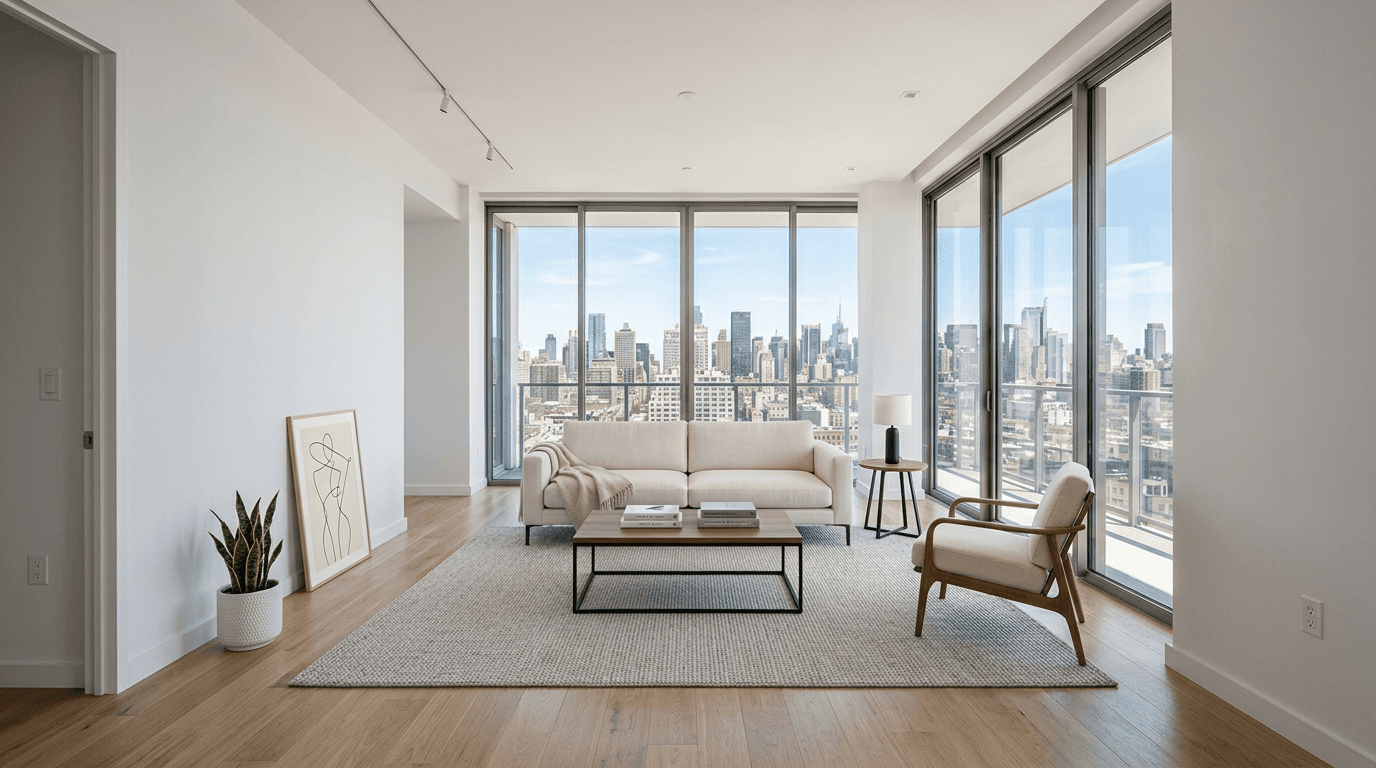
For artisan live/work condo developers, virtual staging is no longer a decorative marketing add-on; in 2026, it is a strategic sales tool that solves one of the category’s biggest obstacles: buyers often struggle to understand how a hybrid residence truly functions until they can see daily life and productive work happening in the same environment. Traditional empty-unit photography leaves too much to the imagination, especially in plans that blend studio zones, client-facing workshop areas, storage walls, flexible mezzanines, sound-sensitive rooms, and compact but intentional residential comforts. That gap in understanding is costly. It slows decision-making, weakens perceived value, and causes highly qualified niche buyers—artists, ceramicists, designers, makers, photographers, fabricators, and small creative-business owners—to dismiss a unit simply because the layout was not interpreted for them clearly enough. The strongest developers in this segment use virtual staging to remove ambiguity, frame the unit around real use cases, and communicate that the project was built for the realities of creative work, not just generic urban living. This guide explains exactly how to use virtual staging step by step so your imagery does more than beautify a room: it clarifies workflow, justifies pricing, tells a lifestyle story, and helps the right buyer immediately recognize the unit as a place where both livelihood and home life can thrive.
According to recent staging metrics by the National Association of Realtors (NAR), professionally staged properties can significantly increase sales speed and perceived value, accelerating the impact for your specific niche.
Step 1: Define the exact artisan buyer personas and operational use cases before staging a single image
The most effective virtual staging for artisan live/work condos begins long before furniture or decor is selected; it starts with a disciplined understanding of who the unit is actually for and how that buyer needs the space to perform from morning to night. Developers often make the mistake of staging these homes as if they were conventional urban condos with a desk tucked into a corner, but that approach undermines the very reason the project exists. An artisan live/work residence is purchased not only for shelter and aesthetics but for productivity, workflow, identity, and business viability. That means your staging strategy should be built around buyer personas detailed enough to influence visual decisions: a ceramic artist who needs shelving, cleanable surfaces, and a receiving zone; a textile designer who values cutting tables, natural light, and inventory storage; a jewelry maker who needs compact precision workstations and secure display; or a photographer who requires editing space, backdrop flexibility, and client presentation areas. When you define these user types in advance, virtual staging becomes a translation tool that demonstrates how the architecture supports real work. It also allows you to stage the same floor plan in multiple ways without confusing the market, showing that the unit is purpose-built yet adaptable. In 2026, buyers expect this level of relevance because they are comparing listings not only by square footage and finish level, but by how intelligently the home aligns with their craft and revenue-generating routine. Every staging choice should therefore answer practical questions the buyer may not even verbalize: Where do I make? Where do I meet? Where do I store materials? How do I separate work from rest? How does this feel professional without sacrificing comfort? Once these use cases are mapped, your visual marketing gains clarity, credibility, and sales power.
Action Step
Create 3 to 5 detailed artisan buyer personas and map how each would use the live, work, storage, client, and transition areas within the floor plan.
Step 2: Identify the architectural friction points in the unit and use virtual staging to clarify function, flow, and separation
Hybrid layouts are compelling when understood and confusing when presented passively, which is why the second step is to identify every place in the floor plan where a buyer might hesitate and then deliberately resolve that uncertainty through virtual staging. In artisan live/work condos, these friction points are common: oversized entry zones that could be retail display or workshop receiving space, open-plan main levels that risk reading as too industrial for living or too residential for productive work, lofted or mezzanine areas whose best use is not immediately obvious, and flex rooms that can feel too small unless their function is clearly demonstrated. Instead of trying to hide these unconventional spaces, strong developers use staging to explain them. A workbench, mobile storage, task lighting, and durable surface cues can show where making happens, while a rug, soft seating, and residential lighting define where decompression begins. Strategic zoning in the imagery helps the buyer understand that coexistence does not mean chaos. Just as important, virtual staging should demonstrate circulation: how materials move into the space, where clients or collaborators can be received without intruding into private living quarters, and how the resident can maintain an elevated home environment despite active creative production. In 2026, buyers are exceptionally image-literate and can detect generic staging instantly, so every visual boundary must feel intentional and architecturally plausible. The goal is not to fill the room but to decode it. When your staging clarifies transitions between public and private, making and resting, display and storage, the buyer no longer sees an unusual layout as a compromise; they see it as an intelligently designed ecosystem tailored to a creative lifestyle. That perceptual shift is often what converts curiosity into confidence.
Action Step
Review each floor plan and mark every area a buyer could misinterpret, then assign a clear staged function to each zone before ordering renderings.
Step 3: Build staging scenes around authentic maker lifestyles rather than generic luxury condo aesthetics
Once the floor plan’s functional logic is established, the next step is to ensure the staging narrative feels authentic to creative professionals instead of resembling a standard developer package transplanted into a niche product. Artisan buyers are especially sensitive to whether a space appears genuinely usable for craft, design, fabrication, or small-scale production, and generic staging can quickly signal that the developer does not truly understand their needs. Authenticity in virtual staging comes from showing a believable rhythm of life and work through materials, furnishings, and spatial cues that respect both professionalism and residence. For example, a live/work condo aimed at painters or illustrators may benefit from staged easels, flat files, daylight-oriented work zones, and clean but active creative surfaces, while a maker-oriented townhouse may be better represented with modular storage, utility sinks, sample shelving, packaging stations, and a polished area for consultations or small client pickups. The key is restraint and realism: the space should feel aspirational but not theatrical, organized but not sterile, and productive without appearing cluttered. Equally important is the emotional layer. Buyers in this segment are not simply searching for an address; they are searching for a place that validates a self-directed lifestyle where work, identity, and home are integrated. Your staging should therefore suggest possibility, pride, and sustainability, showing that the resident can create, earn, host, recharge, and live beautifully in one cohesive environment. In 2026, this nuanced storytelling matters because niche buyers increasingly expect housing marketing to reflect their specific lived experience rather than broad demographic assumptions. When the visuals show tools, textures, storage logic, and furnishings that align with the buyer’s reality, the property immediately feels more credible, more useful, and ultimately more worth the asking price.
Action Step
Develop 2 to 3 authentic lifestyle staging concepts per unit type that reflect real creative professions, practical workflow, and a polished residential feel.
Step 4: Customize visual assets for every marketing channel so the staged message stays clear from listing to sales appointment
Virtual staging delivers its full value only when developers treat it as a coordinated communication system across channels rather than a one-time image enhancement for the listing gallery. Artisan live/work condos require more explanation than conventional homes, so the same staged visuals should be adapted with purpose for listing portals, project websites, paid social campaigns, email nurturing, investor decks, broker presentations, and in-person sales materials. A wide-angle hero image may work on a listing site to capture attention, but a website landing page often needs a sequence of staged images that progressively explains how the work zone, living zone, storage solutions, and client-facing areas connect. Social media creative might focus on distinct artisan personas, such as a ceramicist’s morning studio workflow or a designer’s showroom-ready front room, while a sales center display should pair staged imagery with floor plans and concise overlays that explain intended use. This consistency matters because niche buyers often research deeply before booking a tour, and if each channel presents the unit differently, uncertainty returns. In 2026, high-performing developers are using virtual staging not just to create beauty but to reduce cognitive load at every stage of the buyer journey. The visuals should answer objections before they are voiced: yes, there is enough room for both a professional setup and comfortable living; yes, storage can be elegant; yes, clients can be received without compromising privacy; yes, the space can evolve as the business grows. When the imagery is customized by channel yet aligned in message, it reinforces the project’s identity and positions the developer as highly intentional. The result is stronger lead quality, more productive sales conversations, and fewer tours from buyers who were never the right fit to begin with.
Action Step
Repurpose staged images into channel-specific assets for listings, website pages, social campaigns, and sales presentations while keeping one consistent live/work story.
Step 5: Measure performance, test alternative staging narratives, and refine visuals based on real buyer response
The final step is what separates sophisticated developers from those who simply produce attractive visuals and hope for results: you must treat virtual staging as an iterative performance asset and improve it based on actual market feedback. Because artisan live/work housing serves a specialized audience, assumptions about what will resonate are not always correct. A developer may discover that buyers respond more strongly to imagery showing organized production capability than to overtly residential comfort, or that one persona-based staging concept generates more qualified inquiries because it helps buyers self-identify immediately. In 2026, this kind of refinement is not optional if you want your marketing budget to work harder. Start by comparing performance across image sets, ad variants, website engagement patterns, saved listings, tour requests, and broker feedback. Pay attention to which staged scenes hold attention longest, which images are referenced during consultations, and which layouts still produce recurring questions. If buyers continue asking where inventory goes, your storage story is too weak. If they admire the unit but worry it feels too commercial, your residential softness may need reinforcement. If one audience segment converts better than another, create more visuals tailored to that segment’s workflow and aspirations. The most effective testing framework balances quantitative metrics with qualitative insight from agents and prospects. Rather than thinking of virtual staging as a finished deliverable, think of it as a flexible messaging layer sitting on top of your architecture, one that can be adjusted as the market teaches you what matters most. That process leads to sharper positioning, stronger conversion, and a brand reputation for understanding the practical realities of creative entrepreneurship better than competing developments.
Action Step
Track engagement and sales feedback on each staged concept, then revise underperforming visuals to better answer buyer objections and highlight high-value use cases.
Explore More Resources
Conclusion
Virtual staging for artisan live/work condo developers works best when it is approached as a precise interpretive strategy, not a cosmetic exercise. By defining your creative buyer personas, clarifying every ambiguous area of the floor plan, staging for authentic maker lifestyles, adapting visuals across all marketing channels, and continuously refining based on buyer response, you transform complex hybrid spaces into immediately understandable, desirable homes for the right audience. In a category where buyers need to see how living and making can coexist without compromise, the developers who communicate that balance clearly will earn more trust, stronger inquiries, and faster decisions. In 2026, the advantage belongs to projects that do not merely show square footage, but vividly demonstrate a workable, inspiring, and commercially intelligent way of life.
Ready to Stage Your First Room?
Join thousands of top real estate professionals who use AI Virtual Staging to instantly transform vacant photos into fully-furnished masterpieces in under 20 seconds.
Start Staging For FreeFrequently Asked Questions
Why is virtual staging especially important for artisan live/work condo developments?
Because these homes combine residential comfort with productive workspace, buyers often have difficulty interpreting empty rooms on their own. Virtual staging clarifies how making, storage, client interaction, and daily living can function together, reducing uncertainty and helping niche buyers quickly recognize the value of the layout.
Should every unit be staged the same way in a live/work project?
No. While the project should maintain a consistent brand identity, unit staging should reflect likely buyer personas and floor-plan differences. Showing multiple relevant use cases can make the development feel more adaptable and better matched to artists, makers, and creative-business owners with different workflows.
What kinds of creative professions should developers consider when planning staged scenes?
Developers should focus on professions that realistically align with the building’s dimensions, utility features, zoning, and target market, such as ceramicists, painters, textile designers, photographers, jewelers, illustrators, small-batch product makers, and design consultants. The staging should reflect plausible work patterns rather than exaggerated studio fantasy.
How realistic should virtual staging be for hybrid live/work spaces?
It should be highly realistic and architecturally credible. The best results come from scenes that show functional furniture, storage, tools, and circulation patterns that fit the actual dimensions of the unit. Overly glamorous or impractical staging can damage trust and make buyers question whether the space truly supports their business and lifestyle.
How can developers tell whether their virtual staging is working?
They should evaluate both marketing and sales indicators, including click-through rates, time on page, saved listings, inquiry quality, tour bookings, broker comments, and recurring buyer questions. If prospects better understand the floor plan, reference specific staged uses, and move more confidently through the sales process, the virtual staging is doing its job.
Explore More Guides
Continue building your real estate expertise.
The Step-by-Step Guide to Virtual Staging for For-Sale-By-Owner Luxury Waterfront Sellers
An authoritative 2026 step-by-step guide for FSBO luxury waterfront homeowners using virtual staging to create premium listing visuals, communicate waterfront lifestyle, and market high-end properties without a traditional agent.
The Step-by-Step Guide to Virtual Staging for Luxury Spec Home Marketing Agencies
An authoritative 2026 step-by-step guide for luxury spec home marketing agencies on using virtual staging to market vacant multimillion-dollar homes faster, elevate online presentation, reduce time on market, and support premium pricing with aspirational imagery.
The Step-by-Step Guide to Virtual Staging for Tenant Improvement Commercial Condo Brokers
An authoritative 2026 step-by-step guide for tenant improvement commercial condo brokers on using virtual staging to market shell or dated office condos to owner-users, showcase business-specific layouts, and generate demand faster without full architectural renderings.
The Step-by-Step Guide to Virtual Staging for Accessory Dwelling Unit (ADU) Builders
An authoritative 2026 step-by-step guide for ADU builders on using virtual staging to market detached backyard homes, garage conversions, and compact accessory dwelling units with stronger visuals, better buyer understanding, and more qualified leads.
The Step-by-Step Guide to Virtual Staging for Sober Living Home Operators
An authoritative 2026 step-by-step guide for sober living home operators on using virtual staging to improve occupancy, reduce stigma, and present residences with safety, dignity, comfort, and professionalism.
The Step-by-Step Guide to Virtual Staging for Luxury Home Lease-Up Brokerages
An authoritative 2026 step-by-step guide to using virtual staging for luxury home lease-up brokerages, covering strategy, design standards, marketing execution, compliance, and performance optimization to lease high-end homes faster at premium rates.