
The Step-by-Step Guide to Virtual Staging for Adaptive Reuse Mill-to-Loft Developers
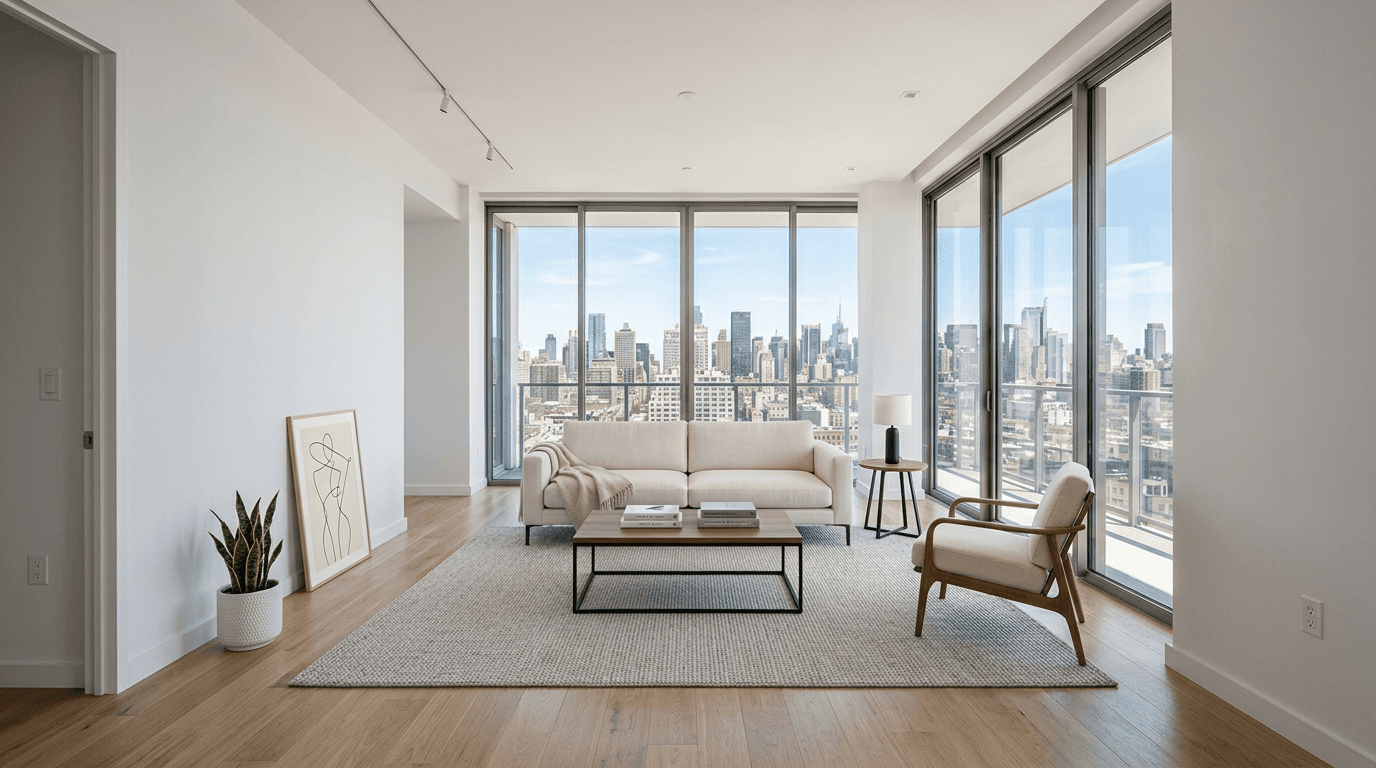
Virtual staging has become one of the most important sales and leasing tools available to adaptive reuse mill-to-loft developers, especially in 2026 when buyers expect both visual sophistication and historical authenticity before they ever schedule a tour. If you are converting former mills, factories, or textile buildings into loft apartments or condos, you are not selling a conventional floor plan; you are translating raw industrial volume, weathered materials, oversized windows, heavy timber, exposed brick, and unconventional circulation into a believable lifestyle that a modern buyer can immediately understand. That translation is where many projects struggle. Raw shells often feel cold, confusing, or unfinished to the market, while generic renderings can erase the very mill character that justifies premium pricing. Virtual staging, when executed strategically, solves both problems by preserving historic identity while giving buyers visual guidance on scale, furnishing, room function, and everyday livability. The strongest developers use it not as decoration, but as a disciplined marketing system that clarifies difficult layouts, protects the architectural story of the building, and helps prospects emotionally commit before construction is complete. This guide explains exactly how to use virtual staging step by step so your mill conversion presents as intentional, desirable, and historically compelling from first impression through final sale.
According to recent staging metrics by the National Association of Realtors (NAR), professionally staged properties can significantly increase sales speed and perceived value, accelerating the impact for your specific niche.
Step 1: Start with the building story, architectural DNA, and buyer positioning before any staging is created
The most successful virtual staging for adaptive reuse mill-to-loft projects begins long before furniture is added to an image, because the real objective is not simply to make a space look attractive but to ensure every visual communicates the building’s identity, the target buyer’s aspirations, and the logic of the conversion itself. Former mills and industrial textile buildings possess a visual language that is highly specific: slow-growth timber beams, deep masonry openings, soaring ceilings, cast iron details, weathered floors, utility remnants, clerestory light, loading bay proportions, and expansive structural grids that do not behave like modern multifamily construction. If your virtual staging ignores that DNA, the final images may look polished but will feel false, and sophisticated buyers can sense that disconnect instantly. Begin by identifying what original elements create your pricing power and market differentiation, whether that is brick barrel vaulting, giant factory windows, sawtooth rooflines, preserved machinery, or unusually deep loft volumes. Then define who the likely purchaser or renter is for each unit type: urban downsizers, design-driven professionals, remote workers, investors, or second-home buyers seeking authentic industrial character. Your staging direction should flow from that intersection of architecture and audience. A one-bedroom in a former spinning mill should not be staged the same way as a penthouse carved from an old weaving hall. The first may need to emphasize efficient, beautiful daily living within historic constraints, while the second should dramatize scale, entertaining, and one-of-a-kind provenance. This planning stage also helps avoid the most common mistake in adaptive reuse marketing: applying generic luxury apartment staging to a historically significant shell. Instead, you want a visual strategy that lets buyers feel both the romance of preservation and the practicality of contemporary habitation. When done correctly, virtual staging becomes an extension of your development thesis, reinforcing why this property matters, who it is for, and why the restored industrial environment is worth choosing over new construction.
Action Step
Document your building’s defining historic features, identify buyer personas for each unit type, and create a written staging brief that ties design choices directly to architecture and audience.
Step 2: Capture the raw space correctly so virtual staging enhances authenticity instead of masking reality
Virtual staging can only be as persuasive as the base imagery behind it, which means adaptive reuse developers must treat photography, scans, and source visuals as a technical foundation rather than a routine marketing step. Raw shell mill spaces are notoriously difficult to photograph well because they often contain dramatic contrast between bright industrial windows and shadowed interiors, irregular room depths, unfinished surfaces, and unusual vantage points caused by columns, low mechanical zones, or offset mezzanines. If you use poorly composed or overly corrected source imagery, your staged visuals will either flatten the architecture or unintentionally mislead buyers about proportion, function, and finish level. The solution is to capture the shell with preservation-minded discipline. Use wide but not distorting perspectives that show window scale, beam spacing, column rhythm, and circulation paths honestly. Photograph multiple angles of each room so buyers can understand how open-plan loft living actually works in a nonstandard footprint. If the project is mid-construction, coordinate capture after key architectural elements have been revealed and protected but before clutter, temporary materials, or construction equipment obscure the original character. In many mill conversions, details such as aged brick texture, timber checking, steel lintels, and floor wear patterns are not imperfections to hide; they are evidence of authenticity that should remain legible beneath the staged layer. Developers should also align floor plans, measured dimensions, and visual capture so the staged scenes correspond to reality, especially in projects with split levels, irregular corners, long narrow bays, or rooms that can function in multiple ways. Today’s buyers are highly visual, but they are also highly skeptical, and if your staging feels disconnected from the actual shell when they tour in person, trust erodes quickly. High-quality virtual staging for industrial conversions should therefore clarify reality, not replace it. That means accurate shadows, realistic furniture scale, truthful window light, and enough retained raw context that prospects can see both the existing building and the future home at once. In a category where unusual layouts are the norm, visual honesty is not a constraint; it is your strongest persuasion tool.
Action Step
Schedule professional architectural photography or visualization capture of the raw shell using accurate angles, measured plans, and preservation-focused framing that keeps historic materials visible.
Step 3: Design virtual staging that preserves industrial heritage while translating function for modern loft living
Once the source imagery is correct, the next step is to create staging that performs two jobs simultaneously: it must protect the emotional value of the building’s industrial heritage and it must teach buyers how to live comfortably within spaces that may not read intuitively at first glance. This is where adaptive reuse developers gain or lose momentum. Standard residential staging often inserts overly generic furniture palettes, suburban room arrangements, or trend-heavy décor that visually competes with the architecture rather than supporting it. In a former mill, the architecture should remain the protagonist. The staging should frame, not dilute, the original shell. That means selecting furnishings, materials, lighting concepts, and styling cues that acknowledge the building’s history while making the unit feel warm, inhabitable, and aspirational. For example, oversized sectionals can help communicate scale in a large open loft, but they must be proportioned to the structural grid so the room does not feel miniature or falsely oversized. Dining zones should often be placed to explain circulation through open volumes, especially where buyers may struggle to distinguish between living, work, and sleeping areas. In units with odd corners, partial mezzanines, or long narrow window walls, staging should intentionally demonstrate best use rather than merely decorating the emptiest part of the image. Color palette matters as well: muted, earthy, textural schemes typically allow brick, timber, and steel to remain visually dominant, while excessive gloss or sterile white furnishings can strip the space of its mill identity. At the same time, the lifestyle signal must be contemporary enough that buyers understand they are purchasing a refined home, not a preserved warehouse. This balance is especially important when marketing condos at premium prices, because your visuals must justify both historical authenticity and modern comfort. The best staged images answer questions before buyers ask them: Where does the bed go without compromising openness? How can someone work from home under a high timber ceiling? Does this strange alcove become a reading nook, dining area, or office? Thoughtful virtual staging resolves these uncertainties and turns architectural ambiguity into a story of possibility. In effect, you are not just furnishing a room; you are editing perception so that history and usability become mutually reinforcing.
Action Step
Approve staging concepts that highlight original mill features, use historically compatible modern furnishings, and clearly demonstrate how each unusual space functions in daily life.
Step 4: Use virtual staging strategically across the sales journey to educate buyers and reduce friction
For adaptive reuse mill-to-loft developers, virtual staging is most powerful when it operates as a guided educational system across every stage of marketing rather than as a handful of attractive listing images uploaded at the end of the process. Because these projects often feature unconventional layouts, mixed finish conditions, evolving construction phases, and historically specific design narratives, prospects need repeated visual reinforcement before they are ready to reserve a unit, commit to a tour, or pay a premium over commodity housing. Begin by mapping where confusion typically occurs in your sales funnel. Some buyers struggle at the first-impression stage because a raw shell appears too abstract online. Others become uncertain when comparing floor plans because room functions are not obvious. Still others tour the property and admire the character but cannot imagine furnishing the scale or adapting to the openness. Virtual staging should be deployed to address each friction point intentionally. Hero images can establish emotional appeal on your website and listing portals, but alternate staged views should also support email campaigns, sales center displays, investor decks, social content, and paid advertising. Pair staged visuals with unstaged equivalents when appropriate so buyers can trust what they are seeing and appreciate the transformation. In projects with multiple unit stacks, use tailored staging to demonstrate differences in layout logic rather than recycling the same visual style everywhere. Larger corner lofts may need lifestyle-oriented entertaining scenes, while narrower units may benefit from highly instructive staging that clarifies zoning. For pre-sales or phased releases, staged imagery can also help your team explain value between released inventory, premium floors, and signature residences. Most importantly, integrate the visuals into your sales conversation. Leasing agents and condo sales teams should know exactly why each staged image exists and what buyer objection it resolves. When someone says, “I love the building, but I don’t know how I’d lay this out,” your visuals should answer with precision. In this context, virtual staging is not cosmetic marketing; it is a conversion tool that reduces ambiguity, shortens decision cycles, and gives your project a coherent visual narrative from initial awareness to signed contract.
Action Step
Build a channel-by-channel visual rollout plan that assigns specific staged images to website listings, sales materials, ads, tours, and buyer objection handling.
Step 5: Measure results, refine visuals by unit type, and create a repeatable staging system for future phases
The final step is to treat virtual staging as an operational marketing asset that can be tested, refined, and standardized across your development pipeline rather than as a one-time creative expense. Adaptive reuse projects often unfold in phases, and even within a single building, distinct unit types can perform very differently depending on how clearly their value is communicated. Developers who measure the impact of virtual staging gain a significant advantage because they can identify which visual strategies actually increase inquiry volume, tour conversion, reservation velocity, and achieved pricing. Start by comparing engagement metrics across staged and unstaged assets, paying attention not only to click-through rates but also to time on page, repeat view activity, saved listings, and buyer questions during tours. If a certain unit type generates strong interest but weak conversion, that often signals not a pricing problem alone but a visualization problem: buyers may love the concept but remain uncertain about livability. Refine the staging accordingly. Perhaps the office nook needs to be illustrated more clearly, the second bedroom must be shown as a flexible guest-and-work space, or the scale of the great room needs better furniture anchoring. Premium loft products may also benefit from multiple staging styles that speak to different buyer personas, provided all remain faithful to the architecture. Over time, you should develop a repeatable system that includes capture standards, preservation rules, style guidelines, room-function templates, approval workflows, and performance benchmarks. This is particularly valuable for developers active in multiple mill conversions, because it reduces inconsistency while preserving each building’s individuality. A disciplined system also improves collaboration between your marketing team, visualization partners, sales staff, architects, and historic preservation stakeholders. In 2026, the market rewards developers who can combine authenticity with clarity at scale. By measuring what works and institutionalizing those lessons, you turn virtual staging from a helpful visual aid into a durable competitive advantage that supports future absorption, stronger brand reputation, and more confident buyer decision-making across every adaptive reuse project you launch.
Action Step
Track performance by image and unit type, adjust staging based on buyer behavior and objections, and formalize a reusable virtual staging playbook for current and future conversions.
Explore More Resources
Conclusion
For adaptive reuse mill-to-loft developers, virtual staging is far more than a marketing embellishment; it is a strategic bridge between raw historic space and modern buyer understanding. When you begin with the building’s architectural identity, capture the shell honestly, stage with preservation-minded intent, deploy visuals across the entire sales journey, and continuously refine based on results, you create a marketing system that respects history while accelerating absorption. The best virtual staging does not hide the complexity of former industrial buildings. It interprets that complexity, showing buyers how character, scale, and unconventional layouts can become highly desirable homes. In a category where authenticity drives premium value, developers who use virtual staging with discipline and depth are better positioned to educate the market, build trust, and convert interest into confident purchases or leases.
Ready to Stage Your First Room?
Join thousands of top real estate professionals who use AI Virtual Staging to instantly transform vacant photos into fully-furnished masterpieces in under 20 seconds.
Start Staging For FreeFrequently Asked Questions
Why is virtual staging especially important for former mills and textile building conversions?
Because raw industrial shells are difficult for many buyers to interpret, especially when floor plans are open, irregular, or still under construction. Virtual staging helps prospects understand room function, furniture scale, circulation, and lifestyle potential while preserving the historic character that differentiates mill conversions from conventional new-build apartments or condos.
How can developers avoid making historic loft conversions look generic in staged images?
The key is to stage around the architecture instead of over it. Preserve visible brick, timber, steel, factory windows, and other original materials in the base imagery, then use furnishings and styling that complement those features rather than competing with them. Generic luxury apartment aesthetics often weaken the authenticity buyers expect from adaptive reuse projects.
Should virtual staging be used only for online listings?
No. It is most effective when used across the entire sales ecosystem, including project websites, email campaigns, brochures, sales center displays, social media, paid ads, investor presentations, and guided tours. In adaptive reuse projects, the same staged image can educate buyers, support pricing conversations, and answer layout objections at multiple points in the decision process.
Can virtual staging help sell unusual loft layouts that may otherwise seem impractical?
Yes. In fact, that is one of its greatest strengths. Former industrial buildings often contain deep bays, mezzanines, offset walls, oversized rooms, and flexible spaces that buyers may not know how to use. Thoughtful staging shows how these areas function in real life, reducing uncertainty and making unique layouts feel intentional rather than awkward.
What should developers measure to know whether their virtual staging is working?
They should evaluate engagement and conversion metrics such as inquiry volume, click-through rates, time on page, saved listings, showing requests, tour-to-reservation conversion, and buyer feedback about layout clarity. Comparing performance across unit types and image styles can reveal whether the visuals are effectively communicating value and helping buyers understand the space.
Explore More Guides
Continue building your real estate expertise.
The Step-by-Step Guide to Virtual Staging for Suburban Medical Condo Investment Brokers
An authoritative 2026 step-by-step guide for suburban medical condo investment brokers on using virtual staging to market medical office condos to owner-users and investors, demonstrate healthcare readiness, reduce buyer uncertainty, and improve listing performance.
The Step-by-Step Guide to Virtual Staging for Condo-Hotel Unit Resale Brokerages
An authoritative step-by-step guide for condo-hotel unit resale brokerages on using virtual staging to modernize dated inventory, balance personal-use and rental appeal, differentiate from generic furniture packages, and improve marketing performance in 2026.
The Step-by-Step Guide to Virtual Staging for Resort Residence Branded Condo Developers
An authoritative 2026 step-by-step guide for resort residence branded condo developers on using virtual staging to accelerate pre-sales, protect brand standards, and sell an aspirational hospitality lifestyle before completion.
The Step-by-Step Guide to Virtual Staging for Student Apartment Pre-Leasing Marketing Teams
An authoritative step-by-step guide for student apartment pre-leasing marketing teams on using virtual staging to lease beds faster before construction completion or turnover, reduce vacancy risk, reassure parents, and standardize unit presentation across floor plans in 2026.
The Step-by-Step Guide to Virtual Staging for Luxury Lakehouse Portfolio Brokerages
An authoritative 2026 step-by-step guide for luxury lakehouse portfolio brokerages on using virtual staging to overcome seasonality, elevate vacant listings, and help buyers visualize entertaining, remote work, and multigenerational living across upscale lakefront homes.
The Step-by-Step Guide to Virtual Staging for 55+ Active Adult Resale Specialists
Learn how 55+ active adult resale specialists can use virtual staging to transform personalized or outdated listings into move-in-ready, buyer-friendly marketing that attracts downsizers and drives stronger engagement in 2026.